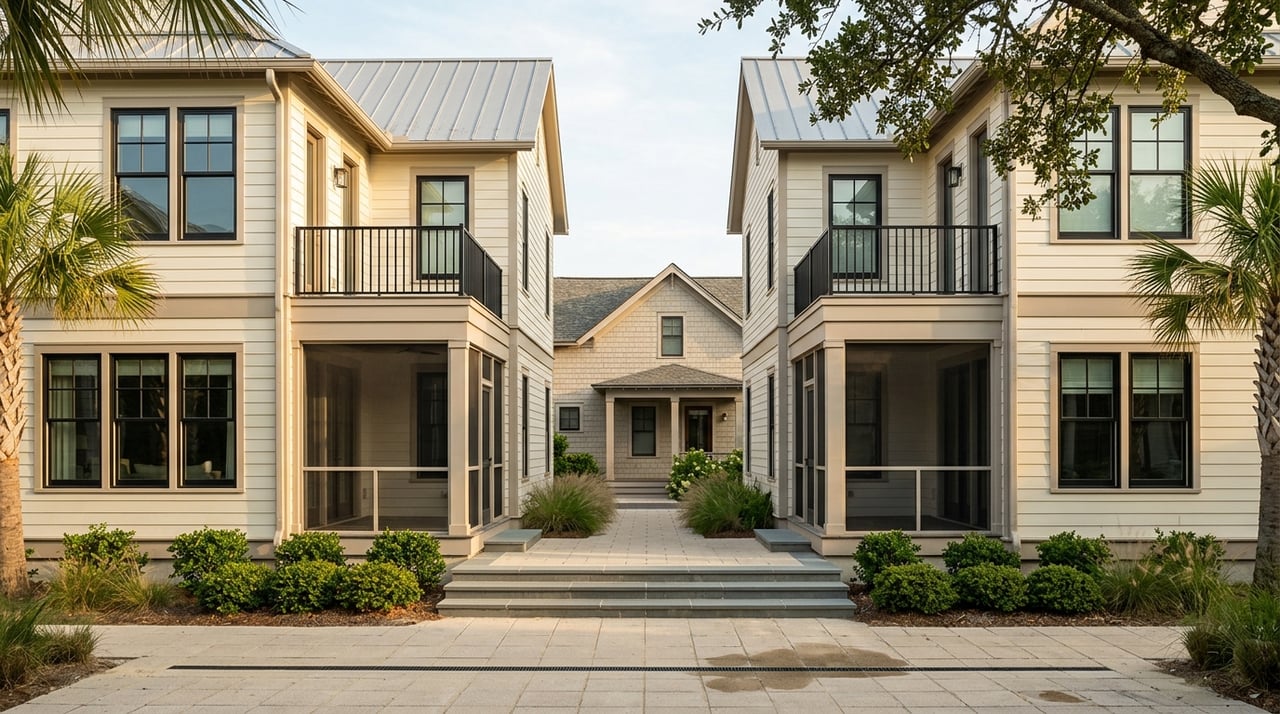
Sunset Beach Condos vs Homes: What Fits Your Lifestyle?
July 16, 2026
July 16, 2026
Wondering whether a condo or a house makes more sense in Sunset Beach? You are not alone. Many buyers start with square footage or price, but the better question is how you want to live, what upkeep you want to handle, and whether rental use matters to you. If you understand the real differences in ownership, costs, and rules, you can make a much more confident decision. Let’s dive in.
In Sunset Beach, choosing between a condo and a home is about more than style. Your decision affects maintenance, insurance, parking, rental flexibility, and monthly carrying costs.
That matters even more in a coastal market, where flood exposure, storm prep, and beach access can shape your day-to-day experience. A property that looks perfect on the surface may feel very different once you review the association documents and ownership structure.
In North Carolina, a condominium unit is a separately owned parcel of real estate that comes with an interest in shared common elements. The condo association is responsible for maintaining, repairing, and replacing the common elements, while you are generally responsible for the unit itself.
That shared setup can include features buyers sometimes assume are fully private, such as balconies, patios, decks, and some doors and windows, depending on the declaration. This is one reason condo buyers in Sunset Beach should read the recorded documents carefully before making a decision.
A townhome-style property is not always its own category from a legal or ownership standpoint. In Sunset Beach, some townhome-style homes are condominiums, while others are part of a planned community or function more like a traditional house in an HOA.
The marketing label does not tell the whole story. The recorded declaration is what tells you whether you own a lot, what the association maintains, and what expenses or rules come with the property.
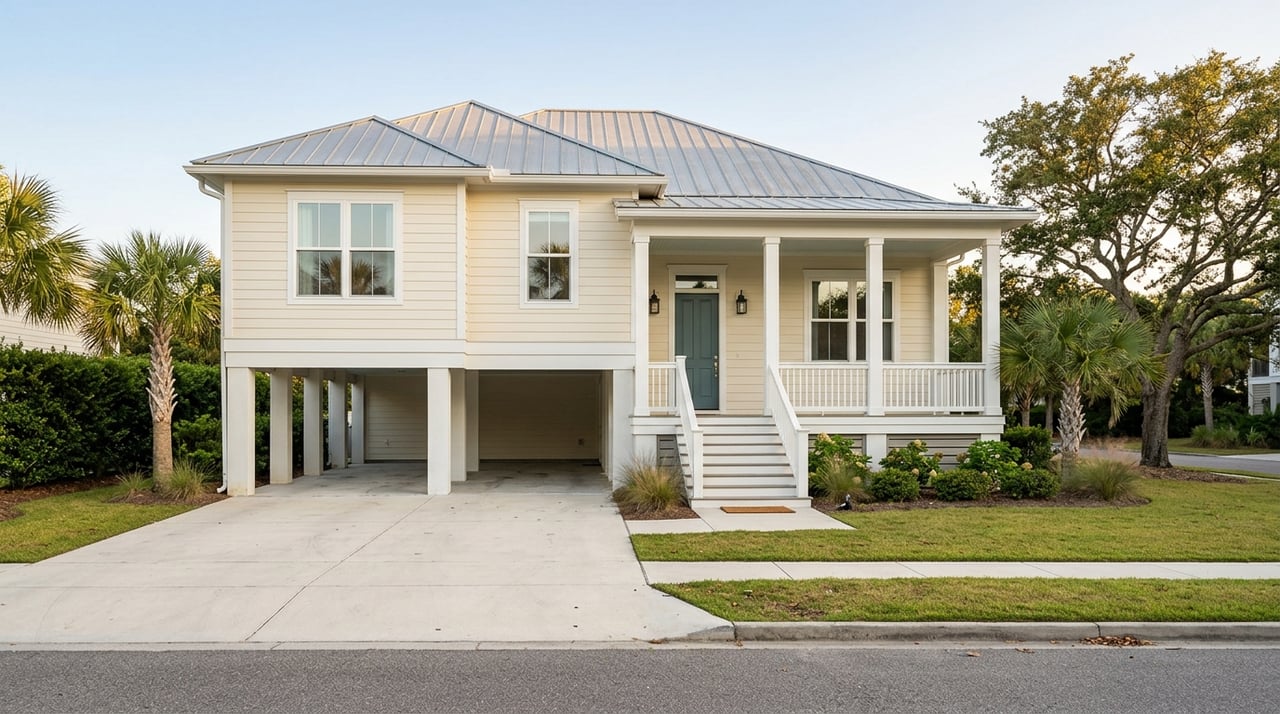
Detached homes usually give you the most direct control over the property. In practical terms, fewer shared common elements and fewer association obligations often mean more say over exterior maintenance and day-to-day use.
That said, not every detached home is free from HOA rules. Some are still part of a planned community, which means you may still have dues, community standards, and shared expenses to factor into your choice.
If you want a second home or seasonal property, low maintenance may be high on your list. Condos and many planned-community properties shift exterior upkeep and common-area care to an association, which can make them easier to leave for stretches of time.
The tradeoff is that dues become part of your regular carrying costs. You also need to understand exactly what the association covers, because shared maintenance does not always mean everything outside the walls is included.
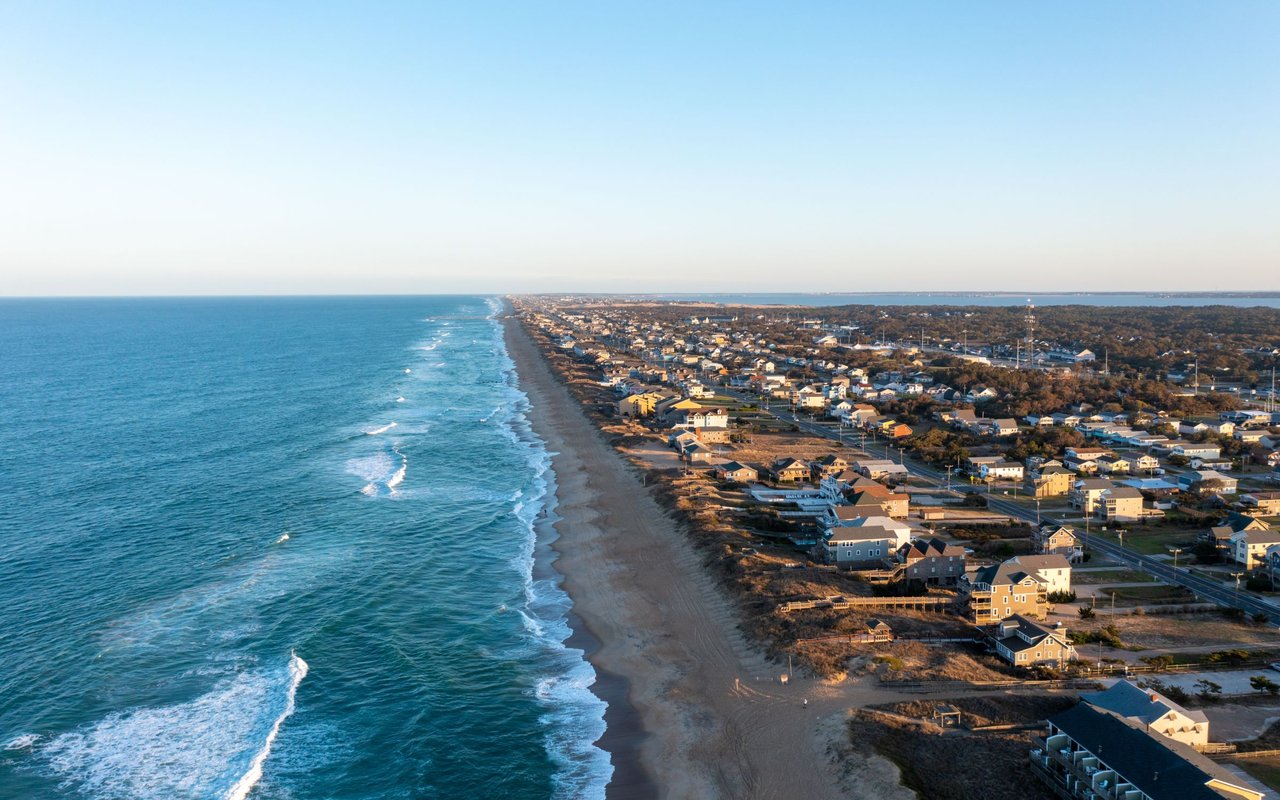
Parking and beach convenience can play a big role in how much you enjoy a Sunset Beach property. The town has multiple public beach access points and accessible ramps, and paid parking is enforced daily from April 1 through October 31 from 9 a.m. to 5 p.m. on a first-come, first-served basis.
Sunset Beach taxpayers can register up to two vehicles for free with a parcel ID. That makes it smart to compare private parking rights, guest parking, and walkability to the beach when weighing condos against homes.
Sunset Beach code enforcement covers property maintenance, noise, rental and housing code compliance, and occupancy requirements. That means your experience in a condo, townhome-style property, or house can be shaped by both community rules and town rules.
For buyers, this is a reminder that floor plan and finishes are only part of the picture. A property should also fit how you plan to use it year-round or seasonally.
For fiscal year 2025-26, Brunswick County’s ad valorem tax rate is 0.3420 per $100 of assessed value, and the Town of Sunset Beach rate is $0.16 per $100. Combined, that equals 0.5020 per $100.
On a $400,000 assessment, that works out to about $2,008 per year. That tax rate applies whether you buy a condo or a house, so taxes alone usually do not decide the better option.
Where the numbers can really separate is in HOA dues and insurance. A condo may have higher monthly dues but less direct responsibility for some exterior upkeep and common areas.
A detached home may have lower dues or no dues at all, but you may take on more direct maintenance, storm preparation, and insurance responsibility. In Sunset Beach, the total monthly cost matters more than the listing price alone.
Flood zone and insurance costs can materially affect ownership costs in this coastal market. Before choosing between a condo, a townhome-style property, or a detached house, verify the exact parcel’s flood hazard information.
This step matters because two properties with similar prices can have very different long-term costs. A careful flood and insurance review can help you avoid surprises after closing.
Sunset Beach defines a short-term rental as less than 90 consecutive days. The town levies a 6 percent accommodations tax on gross short-term rent, and gross rent includes non-optional fees such as booking, cleaning, pet, extra-vehicle, and extra-person or bed charges.
The tax is due monthly by the 15th of the following month. The town also states that this levy is in addition to state sales taxes.
If you plan to furnish a property for guest use, there is another detail to keep in mind. The town states that furnishings and appliances in a rental property are subject to Brunswick County personal property tax and must be listed annually.
For second-home buyers and investors, this is one more reason to compare the full cost of ownership, not just mortgage and dues.
Even if a property works under town rules, that does not mean it is automatically rental-friendly. Recorded declarations and association documents can control lease terms, parking rules, maintenance obligations, insurance expectations, and other use restrictions.
If rental income is important to you, verify the minimum lease term and any community-specific rules before you assume a condo or townhome-style property fits your goals.
A condo often fits buyers who want a lower-maintenance, lock-and-leave lifestyle. That can be especially appealing if you are buying a second home, downsizing, or planning to spend only part of the year in Sunset Beach.
The tradeoff is usually less privacy and more shared rules. You will also want to pay close attention to dues, common-element responsibilities, and any special assessment risk.
Townhome-style properties can be a middle-ground option. You may get a more house-like layout while still having some association-managed maintenance and shared amenities or common expenses.
But this category needs extra due diligence. Some will function more like condos, while others will feel much closer to a single-family home in an HOA.
A single-family home often suits buyers who want more privacy, parking, storage, and control over the property. If you like handling decisions directly and want fewer shared rules, this option may feel like the better fit.
The tradeoff is usually more responsibility. In a coastal area, that can include more direct maintenance, storm prep, and potentially more exposure to flood and insurance costs depending on the parcel.
Before you choose, make sure you:
In Sunset Beach, the best choice usually comes down to how often you will use the property, how much upkeep you want to manage, and whether rental income matters to you. Condos often favor convenience and easier maintenance, while single-family homes usually favor privacy and control.
The key is looking beyond the exterior style. Ownership structure, association documents, parking, flood exposure, and total carrying costs often tell you far more than the bedroom count. If you want help comparing condos, townhome-style properties, or homes in Sunset Beach, Deborah Morgan offers the local insight and personal guidance to help you move forward with confidence.
Stay up to date on the latest real estate trends.
Helping Buyers and Sellers Navigate the Sunset Beach Market with Confidence.
Debbie Morgan
502 N Sunset Blvd Sunset Beach NC 28468