Ocean Isle Beach Neighborhoods And Lifestyle Differences
July 9, 2026
July 9, 2026
Wondering why one part of Ocean Isle Beach feels like a summer hub while another feels more tucked away and residential? If you are comparing homes here, that difference matters just as much as square footage or price. Understanding how Ocean Isle Beach is laid out can help you choose a property that fits the way you actually want to live, visit, or invest. Let’s dive in.
Ocean Isle Beach works best when you think of it as a collection of micro-locations instead of one single neighborhood experience. The town sits on a roughly seven-mile barrier island, separated from the mainland by the Intracoastal Waterway and connected by a single bridge.
That layout shapes daily life in a big way. Some areas put you close to beach access points, parking activity, and town events, while others feel more water-oriented or more residential. If you only look at listings online, it is easy to miss how different one pocket can feel from the next.
The town is also highly seasonal. Official sources describe a small year-round population, a large number of seasonal housing units, and summer visitor levels that rise dramatically. That means your experience in July may feel very different from your experience in January, depending on where you buy.
The island center often feels more active because that is where several public amenities and gathering points are concentrated. Ocean Isle Beach provides a network of beach access points and paid parking areas across the island, and blocks near those access points tend to see more activity than streets farther away.
Town Center Park adds to that pattern. The park has seasonal hours, picnic shelter reservations, town event use, and summer concert programming, which helps make the center of the island feel more community-oriented during active parts of the year.
If you like being near public spaces and seasonal events, this part of Ocean Isle Beach may appeal to you. If you prefer a quieter setting, you may want to compare it with stretches farther from the center before making a decision.
For many buyers, the beachfront and second-row streets offer the most direct beach lifestyle. You are choosing these areas for the shortest path to the sand and the most immediate connection to daily beach use.
That convenience comes with more public activity and more town rules that shape everyday routines. The town requires beach users to use designated access walkways, remove beach equipment daily, and avoid overnight parking in public access areas or lots. There are also seasonal dog restrictions on the beach strand and surfing restrictions within 1,000 feet of the pier.
Because the town sees a large seasonal increase in overnight population, these blocks can feel especially different from peak summer to the off-season. If you want the closest possible beach access and do not mind more foot traffic, parking pressure, and rental turnover nearby, these streets may be a strong fit.
When you tour beachfront or second-row properties, pay attention to more than the view. Try to notice:
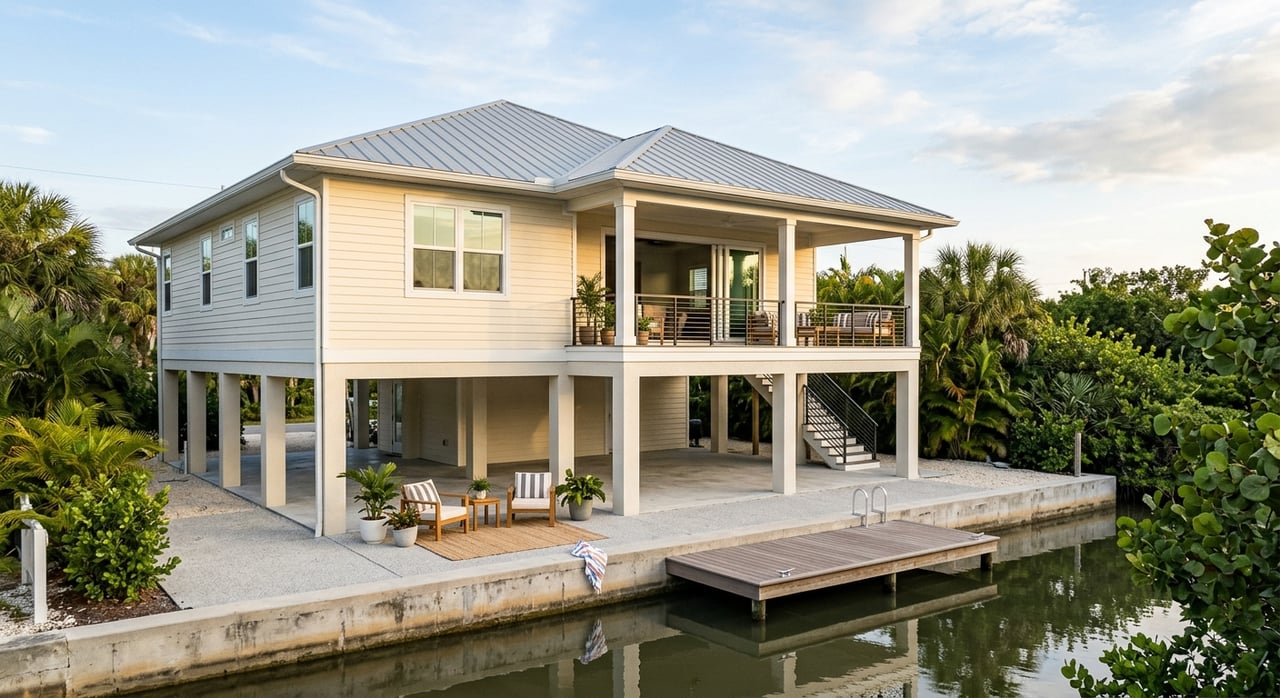
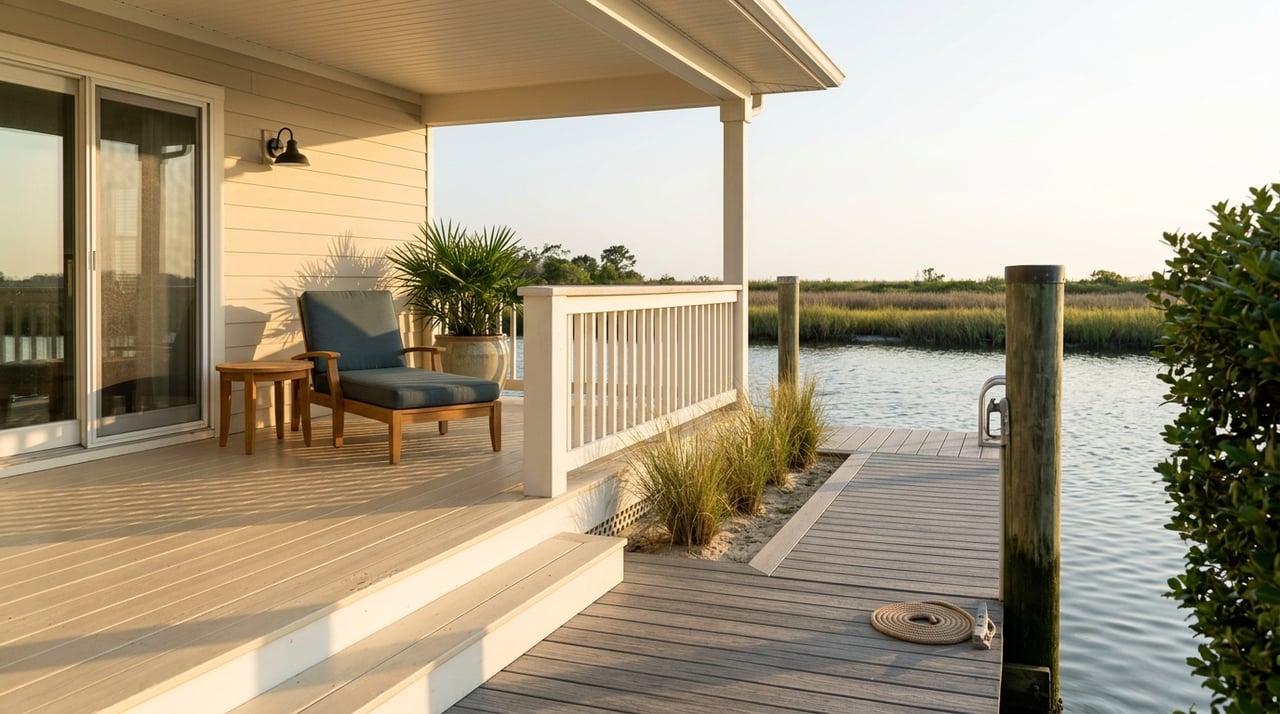
Canal-front living offers a very different version of Ocean Isle Beach. In these pockets, the lifestyle is shaped less by direct beach access and more by boating, water views, and the practical side of owning along a maintained canal system.
The town identifies both concrete canals and natural canals, and it maintains them through special tax district funding and dredging efforts. The concrete canal program also makes it clear that bulkhead work can require permits, inspections, and repairs if disrepair is found.
That matters if you are drawn to the water. A canal-front home can offer a great setup for boating or paddling, but it also comes with rules and upkeep considerations that you should understand before you buy.
The town’s rules show that canal-front ownership is not just about scenery. You may need to plan for:
For many buyers, that tradeoff is worth it. If your ideal coastal property includes launching a kayak, keeping a boat nearby, or enjoying a quieter water setting, a canal-front location may check the right boxes.
The west end of Ocean Isle Beach stands out as its own water-oriented pocket. The town treats West End and Jinks Creek as a separate canal-maintenance area, including a dredging proposal tied to the access channel west of the causeway to the Atlantic Intracoastal Waterway and canals between Duneside Drive, Isle Plaza, and Driftwood Drive.
That town-level focus helps show that this is not just another beach block. It is a distinct part of the market with its own relationship to water access, canal conditions, and day-to-day setting.
If you are comparing island options, the west end is worth seeing in person. It may appeal to you if you want a more waterway-centered feel rather than a location built mainly around beach access traffic.
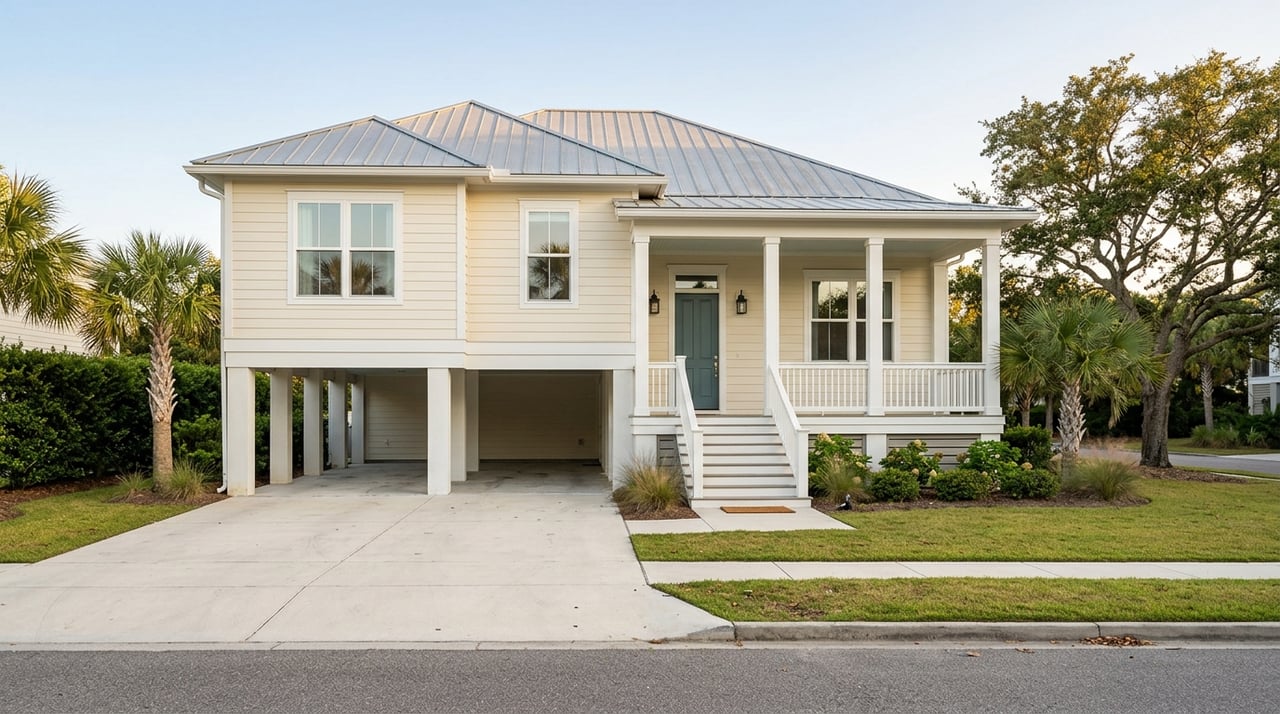
Not every Ocean Isle Beach lifestyle is on the barrier island itself. The town’s mainland-side residential district includes areas intended primarily for single-family and two-family dwellings, with short-term or long-term occupancy allowed under the town code.
For buyers, the mainland side can offer a more conventional residential pattern while still keeping you in the Ocean Isle Beach market. It also changes the role the bridge plays in your routine, which can be important if you expect to come and go often.
This option may be worth a close look if you want to stay connected to Ocean Isle Beach but prefer less day-to-day resort intensity. Depending on your goals, that can be an advantage rather than a compromise.
As you compare mainland properties, consider:
The best way to compare Ocean Isle Beach neighborhoods is to focus on daily life, not just listing photos. A home can look perfect online and still feel off once you understand how the location functions in peak season, off-season, or for your specific routine.
A practical comparison framework starts with a few simple questions. Ask yourself how far you want to be from beach access, how much seasonal traffic you are comfortable with, whether canal or bulkhead rules apply, how often the bridge will affect your routine, and whether you want a vacation-style setting or a more residential rhythm.
That approach helps you compare homes on lifestyle fit instead of just price per square foot. It also makes showings more productive because you start noticing tradeoffs that are easy to miss at first glance.
If you are just starting your search, it often helps to tour areas in this order:
That sequence makes the differences easier to feel in real time. You can compare beach walkability, water access, maintenance factors, and seasonal energy before narrowing in on the type of setting that suits you best.
There is no single best neighborhood in Ocean Isle Beach, only the one that best matches your priorities. Some buyers want quick beach access and do not mind summer energy. Others want canal frontage, boating convenience, or a more residential setting with easier daily access.
The key is knowing what matters most before you fall in love with a house. When you understand how each micro-location lives, moves, and changes through the seasons, you can make a more confident choice.
If you want help comparing Ocean Isle Beach neighborhoods and finding the right coastal fit for your goals, Deborah Morgan can guide you with local insight and personalized support.
Stay up to date on the latest real estate trends.
Helping Buyers and Sellers Navigate the Sunset Beach Market with Confidence.

Debbie Morgan
502 N Sunset Blvd Sunset Beach NC 28468