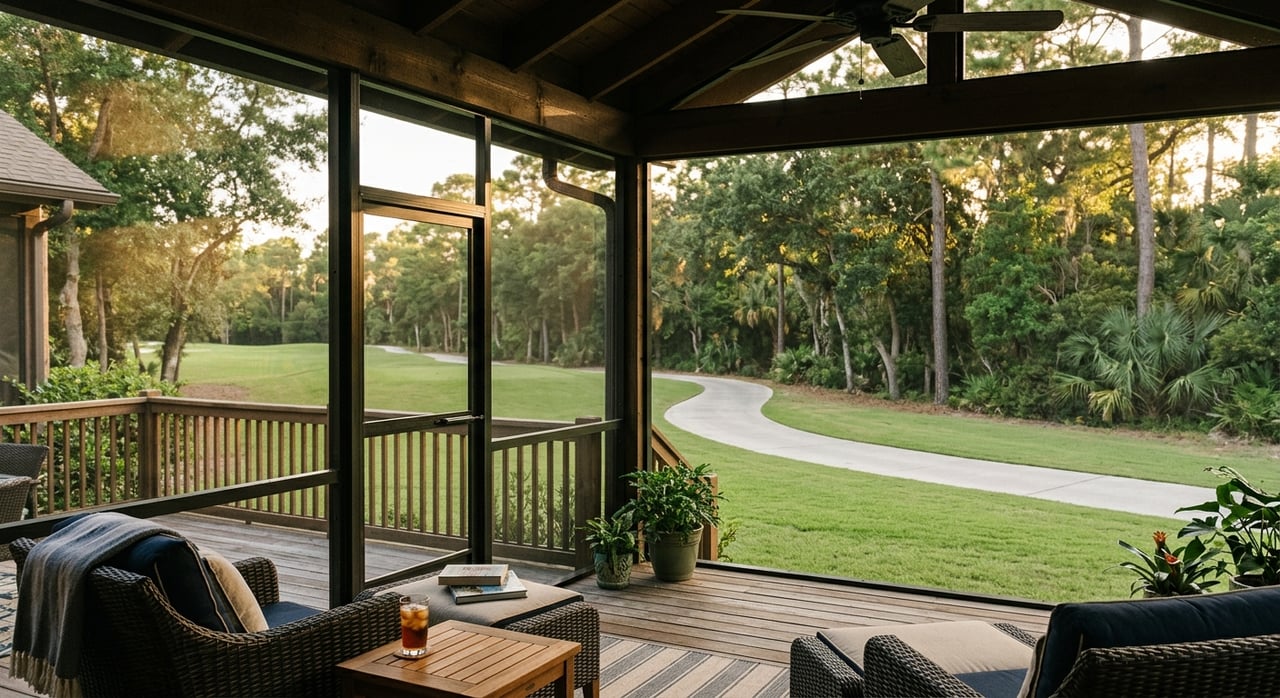
Selling A Home In Carolina Shores Golf Communities
June 11, 2026
June 11, 2026
If you are selling a home in Carolina Shores, it helps to know that buyers are not just comparing houses. They are also comparing dues, amenities, property types, local services, and how clearly each seller explains the community. That can feel like a lot to organize, but with the right prep, you can make your home stand out for the right reasons. Let’s dive in.
Carolina Shores has more moving parts than many buyers expect. The community includes single-family homes, patio homes, villas and townhomes, and The Acreage, along with more than 1,100 homes built across 1,246 homesites. The neighborhood also includes POA amenities such as a clubhouse and library, pool, tennis and pickleball courts, bocce courts, a pavilion, and more than 20 clubs.
That variety is a big plus when you sell, but it also means buyers look closely at what is included with each property. A golf-adjacent home, a villa, and a home in The Acreage may appeal to very different buyers. Your pricing, marketing, and disclosures should reflect those differences clearly.
Another detail matters here too. Carolina Shores involves several layers of oversight and services, including the town, Brunswick County, the POA, and in some cases the privately owned golf course. Sellers who understand that structure early are usually better prepared for buyer questions and fewer last-minute surprises.
One of the smartest things you can do is gather your paperwork before your home hits the market. In North Carolina, most sellers of residential one-to-four-unit dwellings must provide the Residential Property and Owners’ Association Disclosure Statement, along with the separate mineral and oil and gas disclosure, before or at the time the buyer makes an offer.
If those disclosures are not delivered on time, the buyer may have a right to cancel within three days of receipt or three days of contract formation, whichever comes first. That is why early prep matters. It helps you stay organized and gives buyers more confidence in the transaction.
Before listing, it is wise to gather:
Because Carolina Shores says its ACC manages construction, remodeling, modifications, and tree removal, buyers may ask for proof that exterior changes were properly approved. Having those records ready can save time during due diligence.
In a community like Carolina Shores, buyers often want practical answers before they fall in love with the home. They may ask what the dues cover, what amenities they can use, and what services are not included.
That is where clear communication helps. The POA highlights amenities including the clubhouse and library, pool, courts, pavilion, and clubs. At the same time, the town notes that the subdivision does not receive regular garbage pickup and instead uses a solid-waste convenience site.
Those details matter because they shape daily life. A buyer who understands them upfront is more likely to feel comfortable moving forward.
Be ready to answer questions such as:
The state disclosure form for HOA or POA property specifically asks sellers to identify the association name and contact information, regular dues, services paid by dues, approved assessments or transfer fees, and any unsatisfied judgments or pending lawsuits involving the lot or association. Being ready with complete answers can make your listing feel more trustworthy.
The phrase “golf community” can attract attention, but in Carolina Shores, it should be used with care. The town identifies the golf course as privately owned, and the POA separately describes its own amenities. The official Carolina Shores Golf & Country Club homepage reviewed for this research also displays a notice stating that the course is closed.
That means the safest selling strategy is not to overpromise golf access. Instead, focus on your home’s location within the broader Carolina Shores setting, the nearby lifestyle, and the community features you can document. Accurate marketing builds trust and helps prevent confusion later.
Instead of making assumptions about golf access, you can emphasize:
This approach keeps your listing factual and appealing without creating avoidable risk.
Pricing is especially important in Carolina Shores because the community includes several housing styles and location differences. A broad average is usually not enough. Buyers compare homes by subdivision area, lot type, home style, and whether the property is golf-adjacent, HOA-only, single-family, patio-home, villa or townhome, or acreage.
That means your best comparable sales should be as close a match as possible. If your home backs to a particular setting, includes certain POA access, or fits a lower-maintenance housing type, those factors should be reflected in your pricing strategy.
Buyers also pay attention to tax burden. For Brunswick County FY 2025-26, the county property tax rate is 0.3420 per $100 of assessed value, and Carolina Shores’ municipal rate is 0.10, for a combined rate of 0.4420 per $100.
It also helps to remember that Brunswick County revalues property every four years, with the current valuation effective January 1, 2023. If a buyer is looking at outdated tax assumptions, that can create confusion. Clear, current numbers help support a realistic conversation about carrying costs.
Many Carolina Shores buyers are drawn to convenience and coastal access as much as the home itself. They may be relocating, buying a second home, or simply looking for a property that gives them easier access to beaches, dining, and community activities.
Your listing will be stronger if it answers practical questions before buyers have to ask. That includes daily services, amenity use, local rules, and how the community fits into the wider Brunswick County coastal lifestyle.
Helpful points to clarify include:
These may seem like small details, but they often shape a buyer’s comfort level and decision-making.
Your disclosure duties do not end the moment your home goes live. If you become aware of a hidden issue before closing, that information should be updated. North Carolina guidance makes clear that sellers must be forthcoming about known latent defects, and brokers should help amend disclosures when defects become known.
This is important whether the property is owner-occupied or not. North Carolina also notes that non-owner-occupied or investment property status does not remove the disclosure obligation.
If any of these situations come up, they may need attention:
Being proactive is almost always better than letting a buyer uncover a problem later. Clear communication supports a smoother closing and protects trust on both sides.
Selling in Carolina Shores is not just about putting a sign in the yard. It is about presenting the home within the right community context, backing up details with records, and pricing it against the right competition. When you do that well, buyers can see the value more clearly and move forward with greater confidence.
If you are getting ready to sell in Carolina Shores, working with someone who understands Brunswick County’s coastal communities can make the process feel much more manageable. Deborah Morgan offers clear communication, local insight, and personalized guidance to help you prepare, price, and market your home with confidence.
Stay up to date on the latest real estate trends.
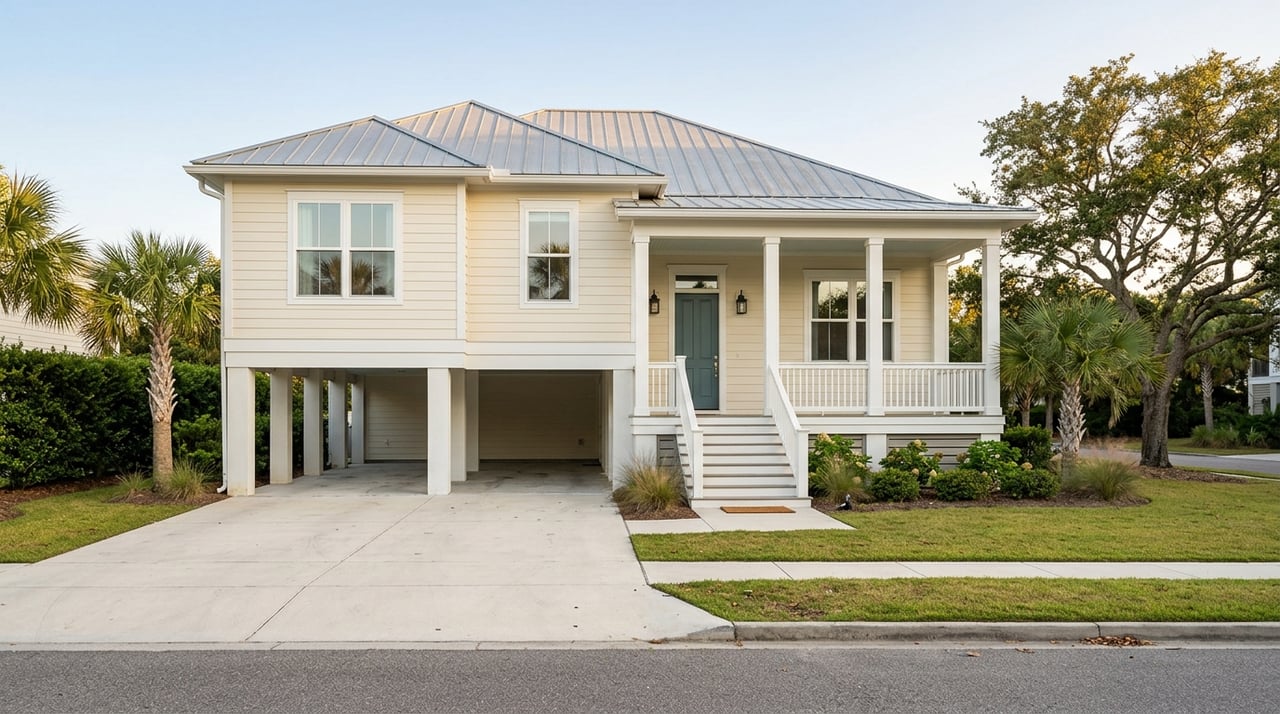
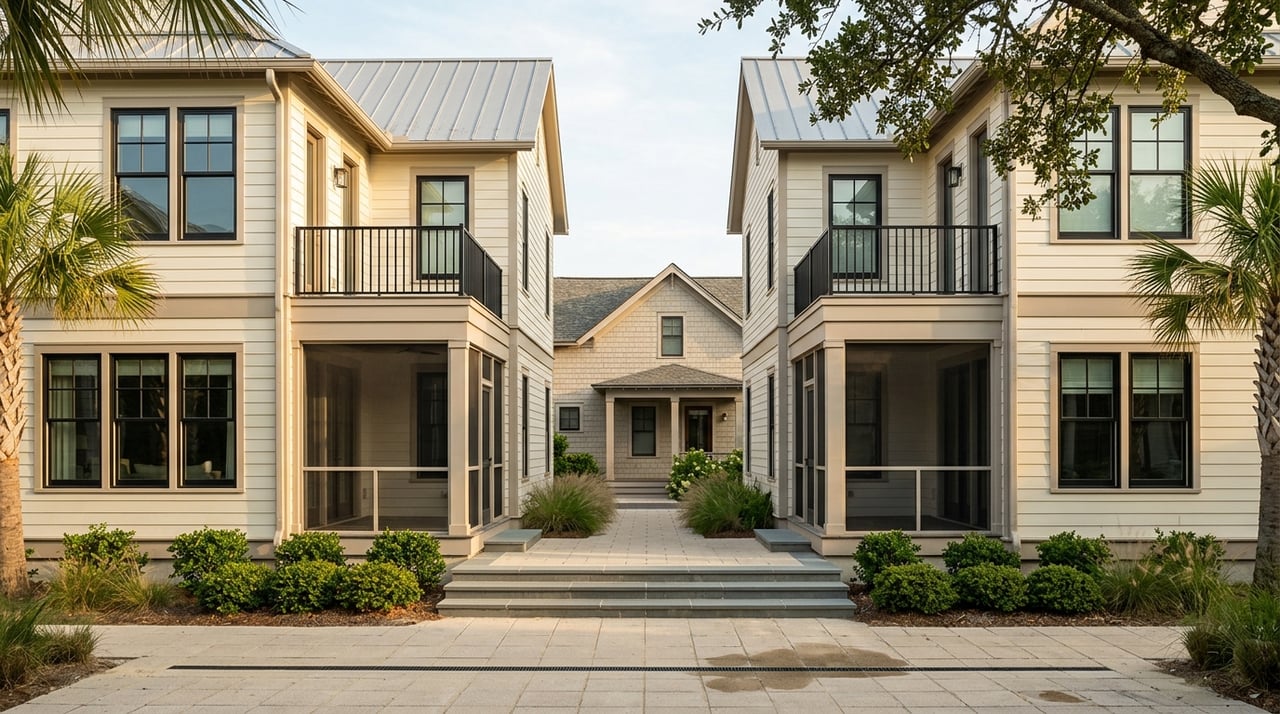
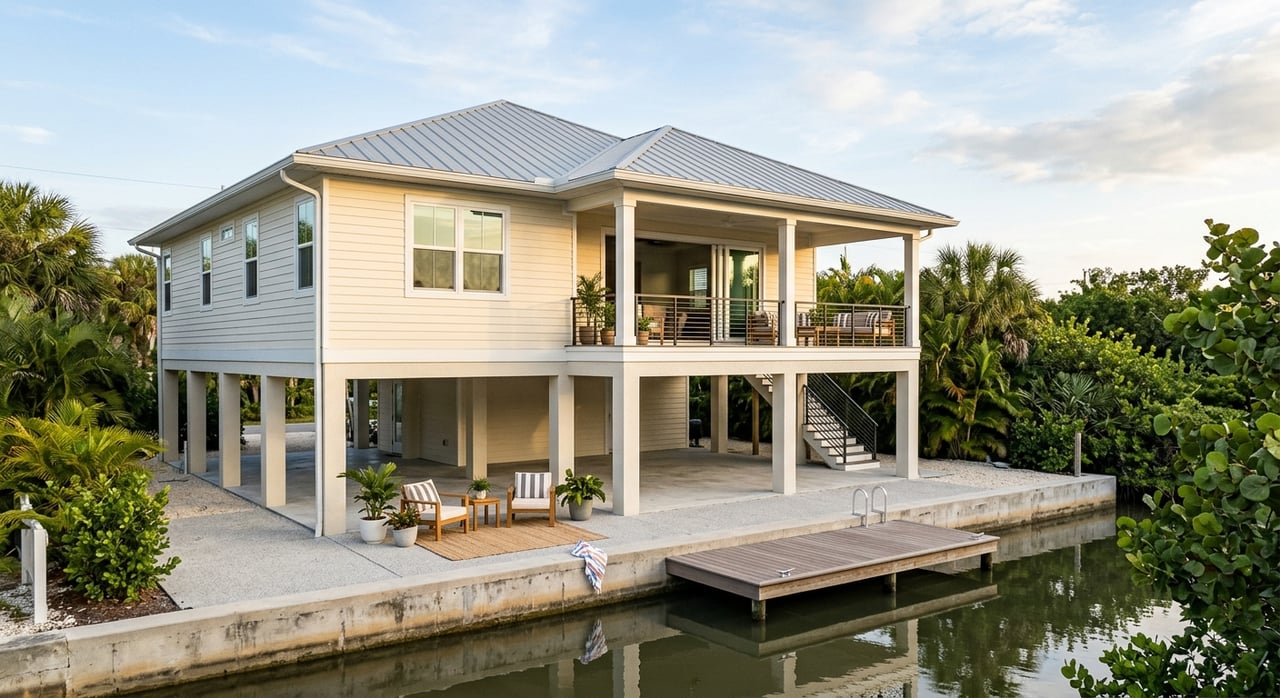
Helping Buyers and Sellers Navigate the Sunset Beach Market with Confidence.

Debbie Morgan
502 N Sunset Blvd Sunset Beach NC 28468