Guide To Buying A Second Home In Calabash
May 7, 2026
May 7, 2026
Dreaming about a place near the coast where you can slip away for long weekends, enjoy a slower pace, and still feel close to dining, golf, and the beach? If you are thinking about buying a second home in Calabash, you are not alone. This guide will help you understand why Calabash appeals to second-home buyers, what types of properties you may find, and which costs and questions matter most before you make an offer. Let’s dive in.
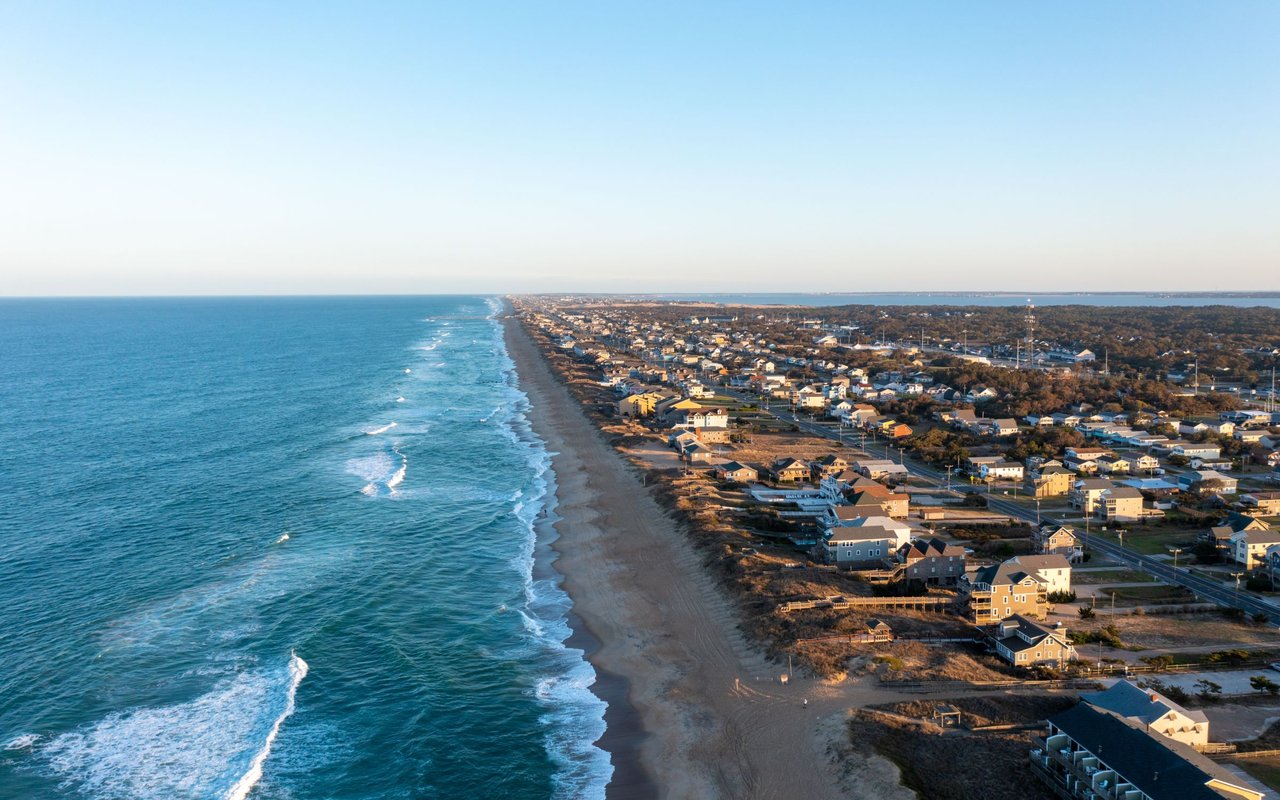
Calabash offers a coastal lifestyle that feels accessible and easy to enjoy. The town sits on the North Carolina and South Carolina border, about 25 miles north of Myrtle Beach and 50 miles south of Wilmington. That location makes it practical for weekend trips, seasonal stays, and longer visits throughout the year.
The town’s official resource guide highlights more than 30 restaurants, beaches within minutes, and about 30 golf courses within 30 minutes. During peak summer season, Calabash can draw around 20,000 day-trippers. For you as a second-home buyer, that points to a place with strong lifestyle appeal and plenty to do when you are in town.
Calabash is also small in size, with 2,377 residents and 1,768 housing units. Census data shows a median owner-occupied home value of $253,200 in Calabash, compared with $386,900 across Brunswick County overall. While every property and neighborhood is different, that can make Calabash worth a closer look if you want a coastal home in Brunswick County at a price point that may feel more approachable.
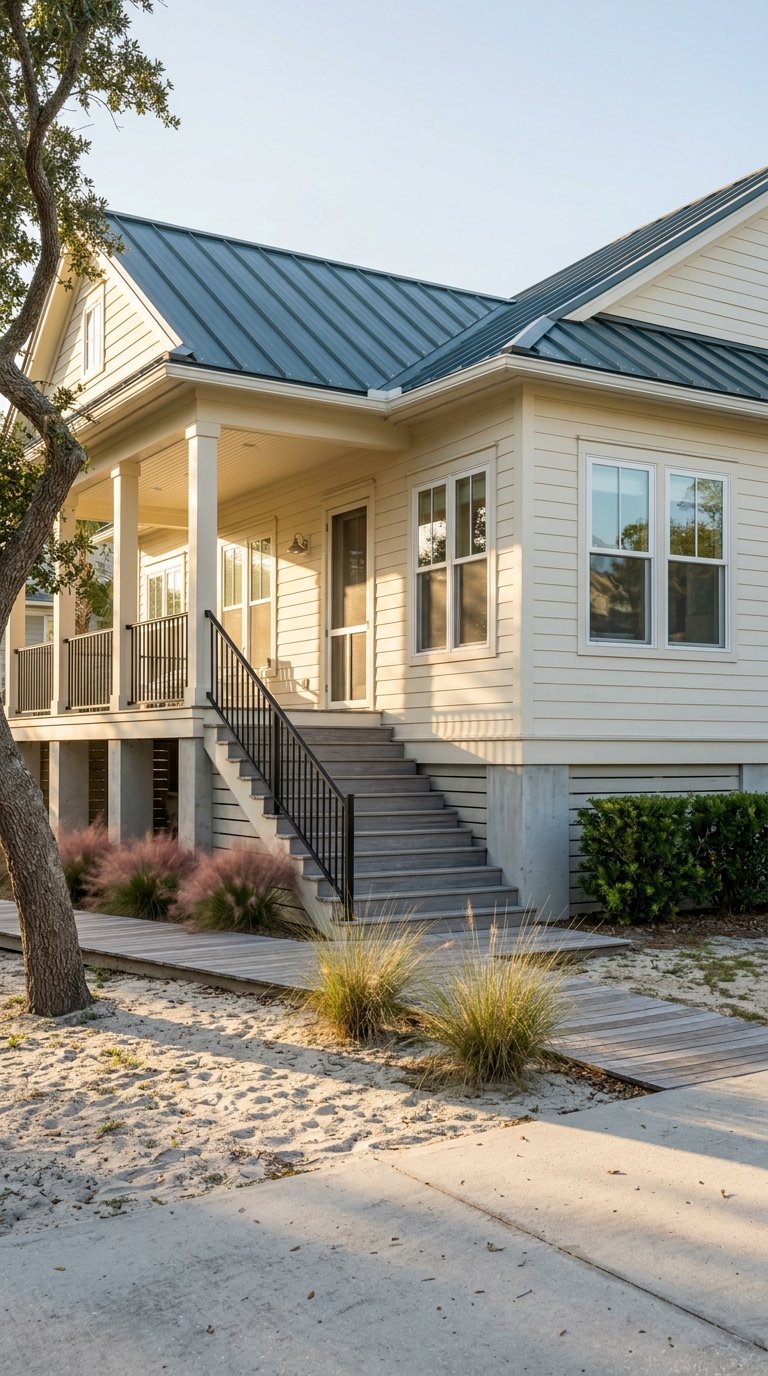
If you picture only beach cottages or only condos, Calabash may surprise you. The town’s 2025 zoning code allows a variety of residential uses, including single-family, two-family, and multi-family residences in residential districts. It also includes rules for planned building groups such as apartments, townhouses, and condominiums.
In some areas, the residential-commercial district also permits manufactured homes. That means your options may include detached homes, townhome-style properties, condos, and certain manufactured-home settings depending on the location and zoning. This variety can be helpful if you are balancing budget, maintenance, and how often you plan to use the home.
County planning materials also suggest much of Calabash’s housing stock was built in the 1980s and 1990s. Older housing stock is not automatically a negative, but it does mean you may want to look carefully at updates, maintenance history, roofing, windows, and insurance considerations as you compare homes.
The right second home is not just about price. It is about how you want to use the property and how much upkeep you want to handle from a distance.
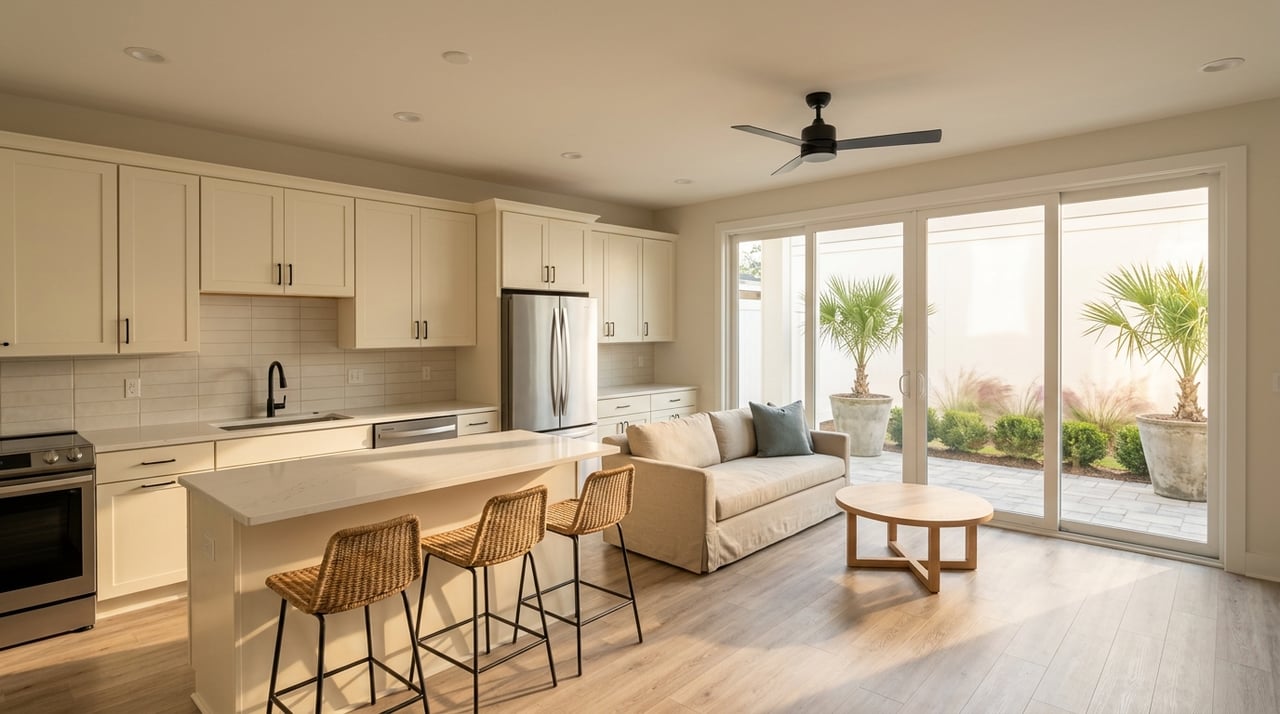
If you want simple lock-and-leave ownership, a condo or townhome may appeal to you. If you want more privacy or outdoor space, a detached home may make more sense. If you expect to spend longer stretches in Calabash, year-round comfort and storage may become more important than they would for a quick weekend retreat.
Before you narrow your search, think through these questions:
Your answers can help shape the best property type and financing path.
Second-home buyers often focus on the sales price first, but ongoing ownership costs can change the picture. In Calabash, property taxes, deed excise tax, insurance, HOA dues, and possible special assessments all deserve a place in your budget.
For fiscal year 2025, Brunswick County’s property tax rate is 0.3420, and Calabash’s 2025 municipal rate is 0.07. If the property is inside town limits, both rates apply. Taxes are due September 1 and may be paid without interest through January 5.
Here is a simple estimate using the current rates:
| Home Value | In Calabash Town Limits | Outside Town Limits |
|---|---|---|
| $300,000 | about $1,236 yearly | about $1,026 yearly |
| $500,000 | about $2,060 yearly | about $1,710 yearly |
These estimates are based on current ad valorem tax rates before exemptions or special assessments. Brunswick County’s most recent revaluation took effect January 1, 2023, and the next is scheduled for January 1, 2027.
North Carolina also charges an excise tax on deeds at $1.00 per $500 of consideration. That works out to about:
This is one of those closing costs that can catch buyers off guard if they have not planned for it early.
Insurance is a major budget item for coastal property, especially if the home sits in or near a flood-prone area. Brunswick County states that VE, Coastal A, AE, and A flood zones carry mandatory flood-insurance purchase requirements. Zone X and Shaded X are considered low risk and are not regulated by ordinance at this time.
North Carolina’s Department of Insurance also says flood insurance is separate from standard homeowners coverage. In coastal areas, windstorm and hail coverage is often written through the North Carolina Insurance Underwriting Association, also called the Coastal Property Insurance Pool. For many second-home buyers, getting insurance quotes early is one of the smartest steps in the process.
In a coastal market, flood risk is not a side issue. It is a core part of buying wisely. Even if two homes look similar online, their insurance needs and long-term carrying costs can differ based on flood zone, elevation, and policy requirements.
That is why one of your first due diligence questions should be whether the property is in a flood zone. Brunswick County specifically identifies VE, Coastal A, AE, and A zones as areas with mandatory flood insurance purchase requirements. A home in one of these zones may still be a great fit, but you should understand the cost and coverage before moving forward.
You will also want to ask whether the property needs separate wind and hail coverage. Since standard homeowners insurance may not cover every coastal risk the way you expect, this is an area where a little research up front can prevent expensive surprises later.
A second home purchase can feel exciting, especially when you find a property that matches the lifestyle you want. Still, a careful review before your offer can protect both your budget and your peace of mind.
North Carolina’s revised Residential Property and Owners’ Association Disclosure Statement went into use July 1, 2024. The North Carolina Real Estate Commission says flood zone status, restrictive covenants, and HOA status are all material facts brokers should discover and disclose.
That makes these questions especially important in Calabash:
These details can directly affect affordability, flexibility, and how well the home fits your plans.
Many second-home buyers wonder if they can enjoy the property personally and also rent it out from time to time. The answer depends in part on financing, occupancy rules, and how the property will actually be used.
Fannie Mae states that a second home must be occupied by the borrower for some portion of the year, be a one-unit dwelling, be suitable for year-round occupancy, be under the borrower’s exclusive control, and must not be rental property or a timeshare. Rental income may exist, but it cannot be used for qualifying if the loan is being treated as a second home.
In practical terms, a Calabash property can work well as a personal-use second home. But if your plan leans heavily toward rental activity, your financing may be underwritten more like an investment property instead. That is an important distinction to understand before you start shopping.
For many buyers, Calabash works best as a place to recharge. With beaches just minutes away, a large dining scene for a small town, and golf nearby, it supports the kind of use that makes a second home feel worthwhile without requiring a full-time move.
That does not mean it is only for short stays. Depending on the property, your budget, and your lifestyle, Calabash can also support longer seasonal living. The key is making sure the home itself matches how you want to spend your time there.
Buying a second home in a coastal market often means comparing more than floor plans and price per square foot. You may also be weighing flood maps, HOA rules, insurance layers, and the difference between personal-use and rental-focused ownership.
That is where local market knowledge can make the process smoother. When you have someone helping you look at the full picture, it becomes easier to spot questions early, compare options clearly, and move forward with confidence.
If you are exploring a second home in Calabash and want calm, local guidance tailored to your goals, Deborah Morgan is here to help you make sense of the options and find the right fit for your coastal lifestyle.
Stay up to date on the latest real estate trends.
Helping Buyers and Sellers Navigate the Sunset Beach Market with Confidence.
Debbie Morgan
502 N Sunset Blvd Sunset Beach NC 28468