Land And New Construction Options Around Supply
May 21, 2026
May 21, 2026
Looking at land or a brand-new home around Supply can feel exciting and a little complicated at the same time. You may love the idea of extra space, a custom build, or a move-in-ready new construction home, but the details behind zoning, utilities, flood maps, and permits matter more here than many buyers expect. The good news is that with the right local guidance, you can spot solid opportunities and avoid costly surprises. Let’s dive in.
Supply sits near the crossroads of US 17 and NC 211, which gives you access to other Brunswick County communities while still offering a more flexible land-buying conversation than you may find in some more tightly developed coastal areas. Because Supply is an unincorporated Brunswick County community, county Planning & Community Enforcement generally handles zoning, land subdivision, and some minor CAMA permits for land outside municipal planning jurisdictions.
That county oversight matters because your lot search is not just about price or location. It is also about what the parcel can legally support, whether it has utility access, and what kind of approvals may be needed before you build.
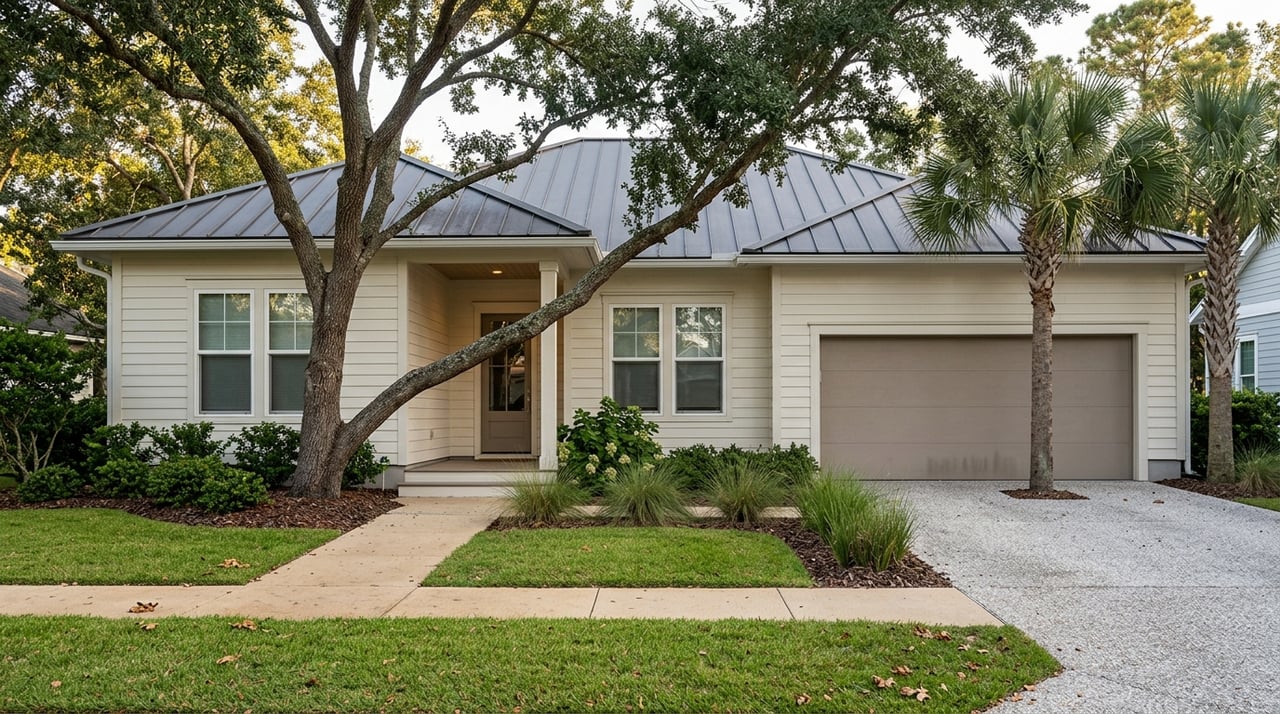
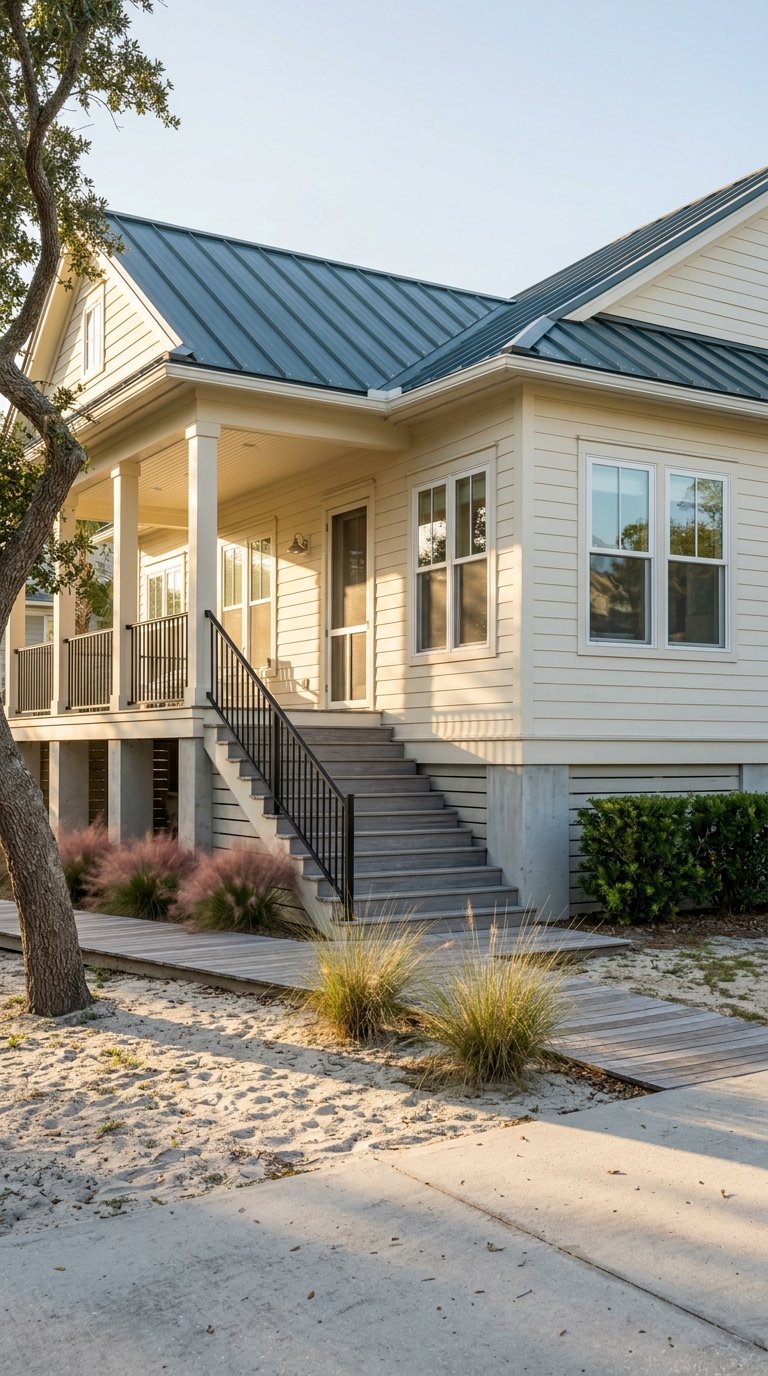
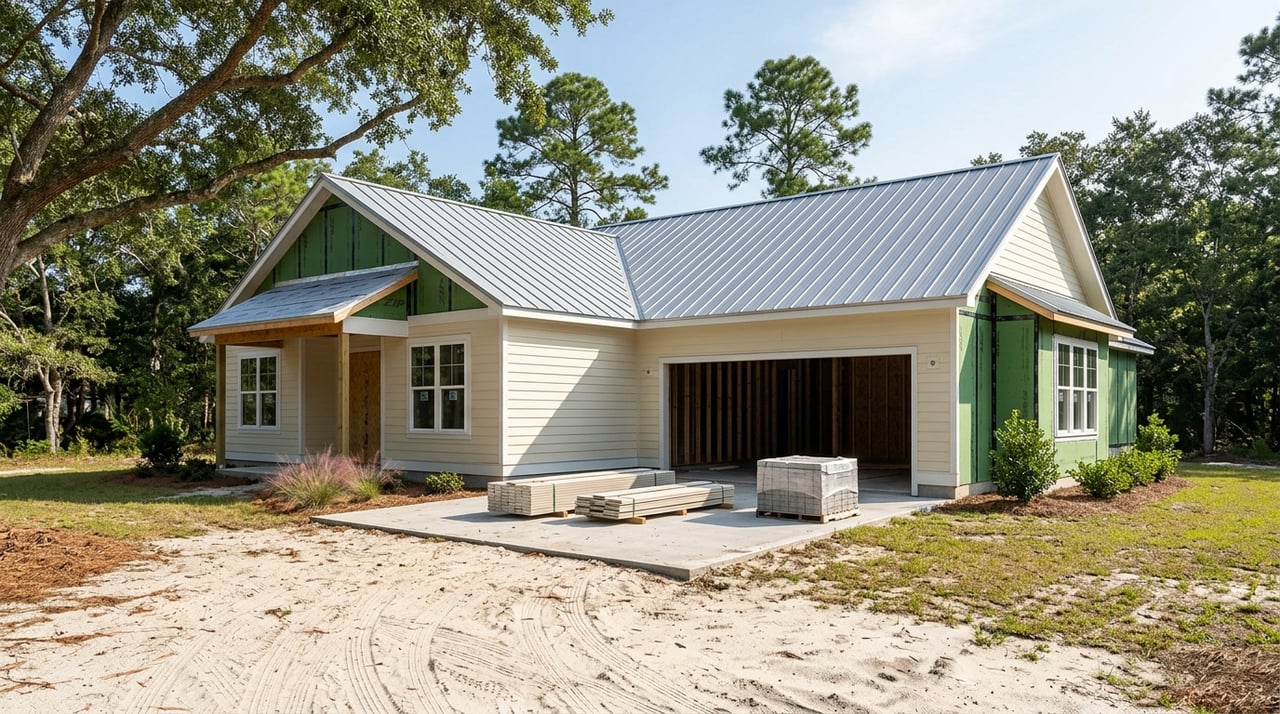
When buyers say they want “new construction,” they are often talking about one of two paths. You might buy a completed or nearly completed new home, or you might buy land and build from the ground up.
Those are very different decisions. A completed new home may reduce some uncertainty, while a land purchase usually gives you more control over the home and site but requires more due diligence before you commit.
One of the first questions to ask is whether the property is in county jurisdiction or inside a municipality. Around Supply, many properties fall under Brunswick County rules rather than town-specific development standards.
That is important because Brunswick County’s GIS tools are a practical starting point for parcel research. The county says its GIS Data Viewer is compiled from recorded deeds, plats, and other public records, and its map tools can help you review zoning, soils, streets, flood zones, future land use, permit search data, and new home construction activity.
Zoning gives you an early picture of what kind of development pattern you are looking at. Around Supply, buyers will often encounter several residential zoning districts that can affect lot size expectations and utility assumptions.
The RR district is intended for agricultural uses and low-density residential development. Brunswick County says this district relies predominantly on individual wells and septic systems.
For a conventional single-family lot in RR, the minimum is 20,000 square feet and 75 feet of width without public water and wastewater, or 15,000 square feet and 75 feet with public water and wastewater. If you are eyeing a more rural homesite, this is often the kind of framework you may be working within.
R-7500 is a suburban residential district intended for orderly suburban residential development. It is intended to be applied to properties served by public water and wastewater systems.
Its conventional minimums are 15,000 square feet and 75 feet without utilities, or 7,500 square feet and 75 feet with public water and wastewater. That can create a different lot pattern than what you would expect in RR areas.
R-6000 and SBR-6000 are also intended for orderly suburban residential development. Their conventional minimums are 10,000 square feet and 60 feet without utilities, or 6,000 square feet and 60 feet with public water and wastewater.
If you are comparing neighborhoods or smaller-lot new construction communities, these zoning categories may help explain why lot sizes and setbacks feel different from one area to another.
MR-3200 is the higher-density residential district. Brunswick County says it is intended only for properties served by public sewer and water systems.
Its conventional minimums are 10,000 square feet and 60 feet without utilities, or 6,000 square feet and 60 feet with public water and wastewater. If a property is marketed as a higher-density residential opportunity, utility service becomes especially important to confirm.
A parcel may look straightforward online and still need more review before it can be split or developed. Brunswick County says subdivision review considers access and utility availability, and it classifies projects as waivers, minor subdivisions with 1 to 10 lots, major subdivisions with 11 or more lots, and planned developments.
This is one reason land buyers should avoid assuming a large tract can be divided however they want. Before you move forward, it helps to confirm whether the property’s future use matches subdivision requirements and access standards.
For lots without sewer, Brunswick County Environmental Health issues septic and well permits. North Carolina and the county require a site evaluation for a new septic system, and the county notes that perk tests are no longer used.
Instead, evaluators look at topography, soil characteristics, soil wetness, restrictive horizons, and the available space for both the septic system and any repair area. That means a lot that looks buildable from the road may still have limitations once the site is evaluated.
This is one of the biggest details to verify before finalizing a build plan. The county says septic sites and drainfields are sized by bedroom count, so the permit needs to support the home you want to build.
If you plan for four bedrooms but the site supports fewer, you may need to change the plan or keep looking. That simple check can save you time, money, and frustration.
Building on land is usually not a one-permit process. Brunswick County’s permit information shows that a project may involve separate zoning development, septic, well, building, electrical, plumbing, mechanical or HVAC, stormwater, flood zone, and sometimes CAMA-related approvals.
The county’s Permit Portal is used for applications, project tracking, document uploads, and inspection requests. For buyers, that is a reminder that timelines often depend on several approvals moving together, not just the builder’s construction schedule.
Utilities can be a major factor in how quickly a lot becomes build-ready. Brunswick County’s utility FAQ says grinder-pump installation may take 3 to 6 weeks, and if a sewer tap requires an NCDOT encroachment application, the wait can stretch to up to three months.
The county also says standard utility locates can take up to 3 business days, and North Carolina law requires notice at least two business days before excavation. In practical terms, even a great lot may need extra lead time before site work can begin.
Brunswick County says a North Carolina licensed general contractor is required when construction cost exceeds $40,000. Homeowners may act as their own general contractor only if they own the land and will personally occupy the structure for 12 months after completion.
Separate licensing rules also apply to electrical, plumbing, and HVAC work. If you are buying land with plans to build, it is wise to understand who will be responsible for each part of the project before contracts are signed.
Around coastal Brunswick County, flood and coastal factors are part of smart land research. Brunswick County directs buyers to FEMA’s Flood Map Service Center or the county GIS flood-hazard layer to check flood risk, and the county reminds homeowners that standard homeowner’s insurance does not cover flooding.
The county also says flood insurance typically takes up to 30 days to become effective. If the property has flood exposure, that timing should be part of your planning before closing or construction.
Because Brunswick County is one of North Carolina’s coastal counties, CAMA can matter for waterfront or wetland-adjacent parcels. The county says it handles minor CAMA permits in unincorporated areas.
Its CAMA guidance explains that projects in estuarine-shoreline or ocean-hazard areas can require extra owner notices, scaled drawings, surveys, and setback details. If you are drawn to water-adjacent land, these extra steps are worth identifying early.
From a resale perspective, some lots are simply easier to understand and easier to use. Based on Brunswick County’s zoning, septic, flood, and CAMA requirements, the strongest lots are often those with clear access, verified utility availability, septic capacity that matches the intended home, and fewer flood or coastal-permit complications.
That does not mean a more complex lot is a bad choice. It means you should price the complexity correctly and make sure the opportunity still fits your goals.
If you are comparing land or new construction options around Supply, these are some of the most useful questions to ask:
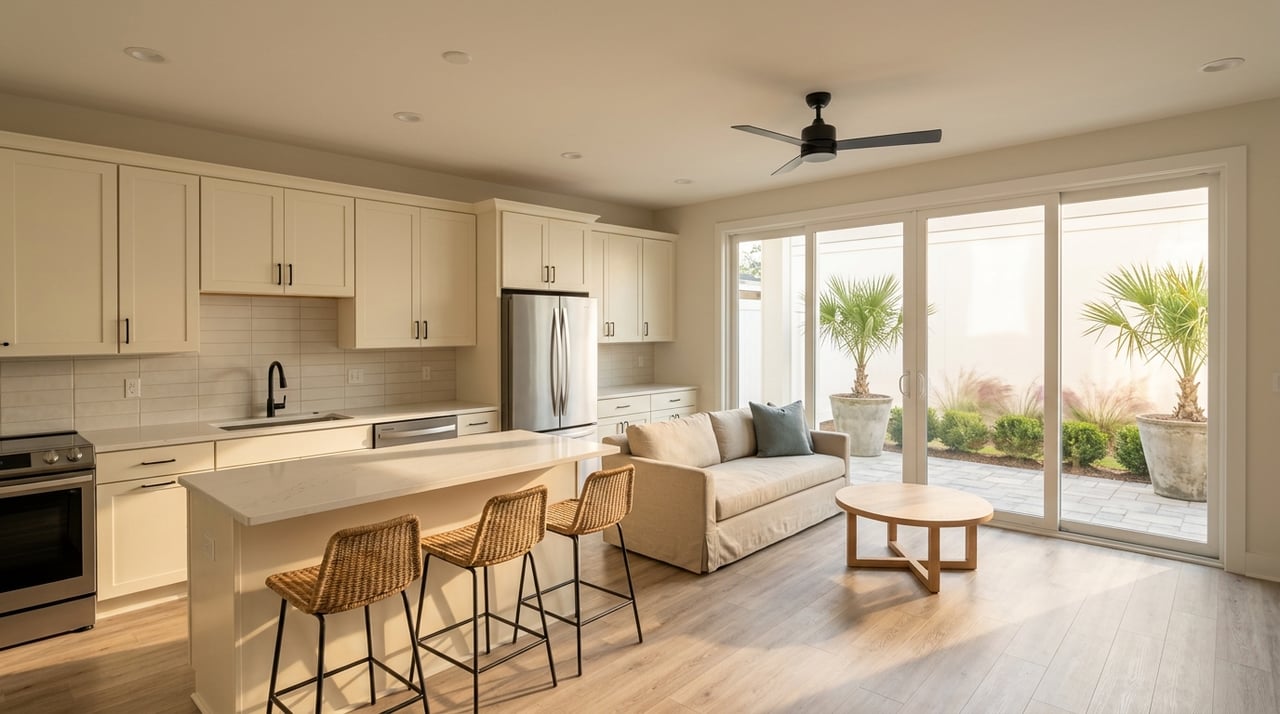
If you want simplicity, a completed new construction home may be the easier route. You can focus more on layout, finishes, price, and move-in timing.
If you want flexibility, land may offer more room to shape the final result around your needs. The tradeoff is that your decision should be based on zoning, septic feasibility, flood review, utilities, and permit path, not just a pretty homesite.
A local real estate advisor can help you sort through those details, compare opportunities, and keep your search grounded in what is realistic. That kind of guidance is especially helpful in an area like Supply, where lot characteristics can vary widely from one property to the next.
If you are exploring land or new construction around Supply and want practical, local guidance, Deborah Morgan is here to help you move forward with clarity and confidence.
Stay up to date on the latest real estate trends.
Helping Buyers and Sellers Navigate the Sunset Beach Market with Confidence.
Debbie Morgan
502 N Sunset Blvd Sunset Beach NC 28468