Preparing Your Shallotte Home To List With Confidence
May 14, 2026
May 14, 2026
Getting your Shallotte home ready to sell can feel overwhelming at first. You may be wondering what really matters, what can wait, and how to avoid surprises once buyers start walking through the door. The good news is that a confident listing plan usually comes down to a few smart steps: improve presentation, organize disclosures, and double-check any permit or flood-related details before you hit the market. Let’s dive in.
Shallotte is the central business hub of southern Brunswick County, and the Town notes that it is about 10 minutes from Holden Beach, Ocean Isle Beach, and Sunset Beach. That location can make your home appealing to buyers who want convenient access to everyday services along with nearby coastal attractions. Because of that mix, your listing prep should balance curb appeal, clean presentation, and practical property details.
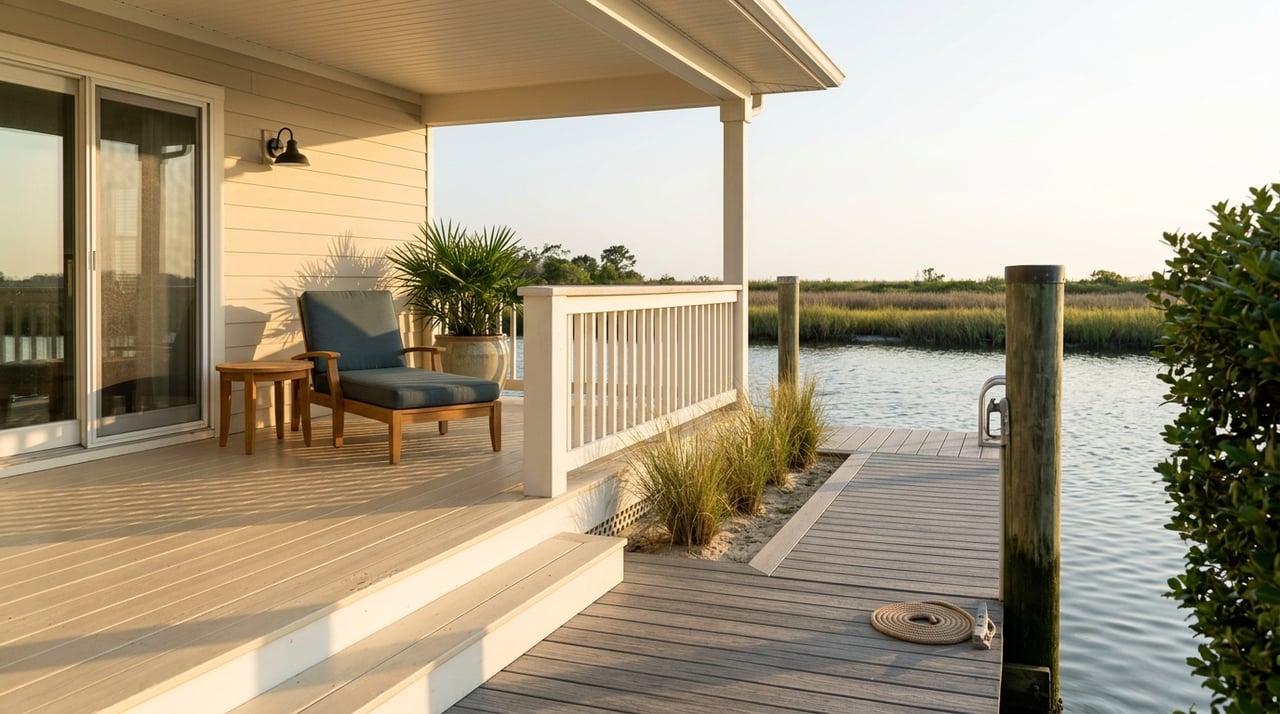
In this area, coastal conditions also matter. FEMA says coastal flood hazards can include storm surge, waves, and erosion, and the Atlantic hurricane season runs from June 1 through November 30. If your property has any flood-related history, drainage concerns, or insurance paperwork, it helps to gather those details early so you can answer buyer questions with confidence.
You do not have to remodel your home to make it market-ready. According to NAR's consumer guidance, sellers are not required to make cosmetic updates before listing. Still, a clean, well-maintained home often shows better in person and in photos.
NAR's 2025 staging survey found that sellers are most often advised to declutter, clean the entire home, and improve curb appeal. The same survey found that staging makes it easier for buyers to picture themselves in the home, and some sellers' agents reported that staging increased the dollar value offered by 1% to 10%. That does not mean every home needs full staging, but it does show how presentation can influence first impressions.
Decluttering is one of the simplest ways to make rooms feel larger, brighter, and easier to understand. Start by removing extra furniture, stacks of papers, personal collections, and anything that makes surfaces feel crowded. Buyers should be able to move easily through the home and focus on the space itself.
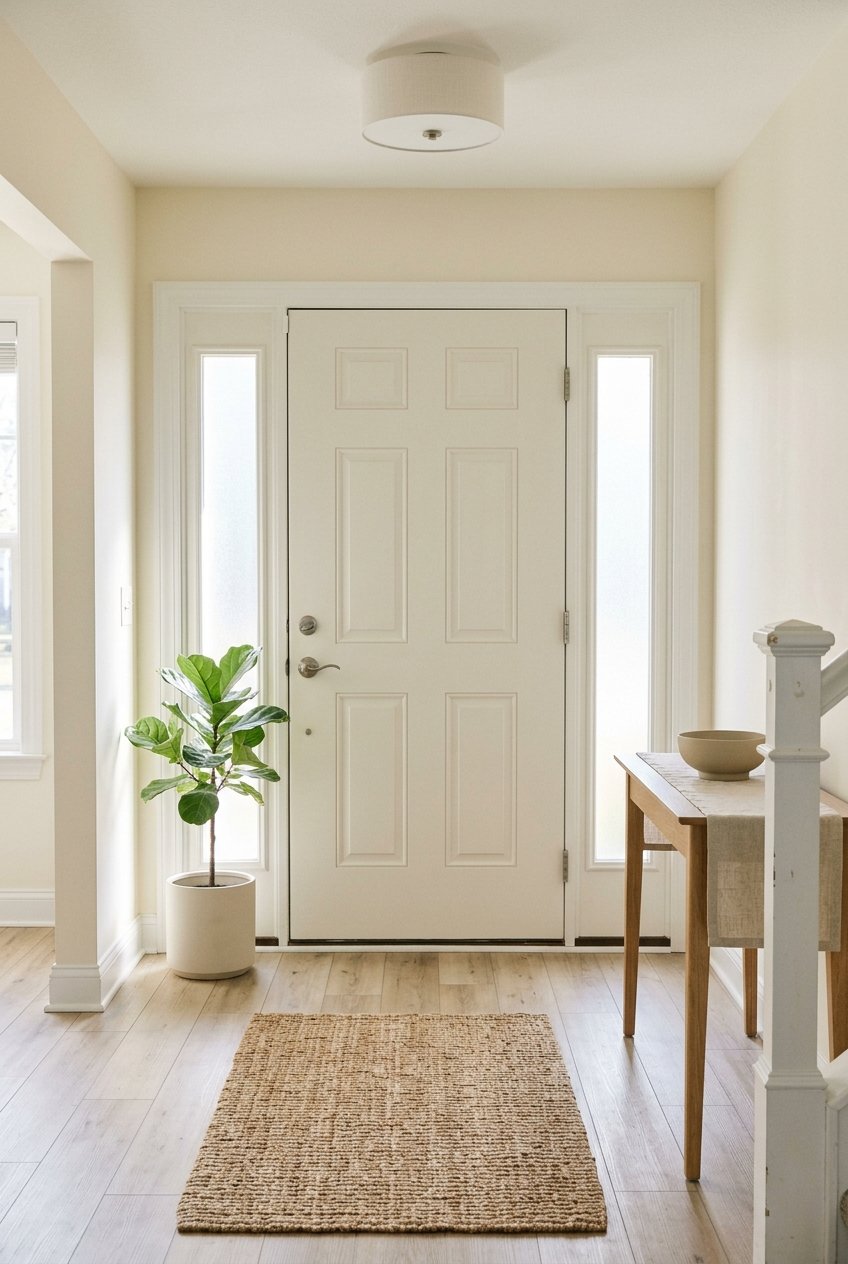
Pay extra attention to closets, kitchen counters, bathroom vanities, and entry areas. Storage matters to many buyers, so overstuffed spaces can send the wrong message. If needed, pack up items you do not use every day and store them neatly off-site.
A basic tidy-up is not enough once your home is going on the market. NAR specifically points to cleaning windows, carpets, light fixtures, and walls as common prep items. When your home is clean, natural light reads better in listing photos and the property feels more cared for.
Focus on fingerprints, smudges, dust, and odors. Kitchens and bathrooms deserve extra attention because buyers tend to inspect those spaces closely. If you have not had a professional cleaning in a while, this may be one of the highest-impact pre-list steps you can take.
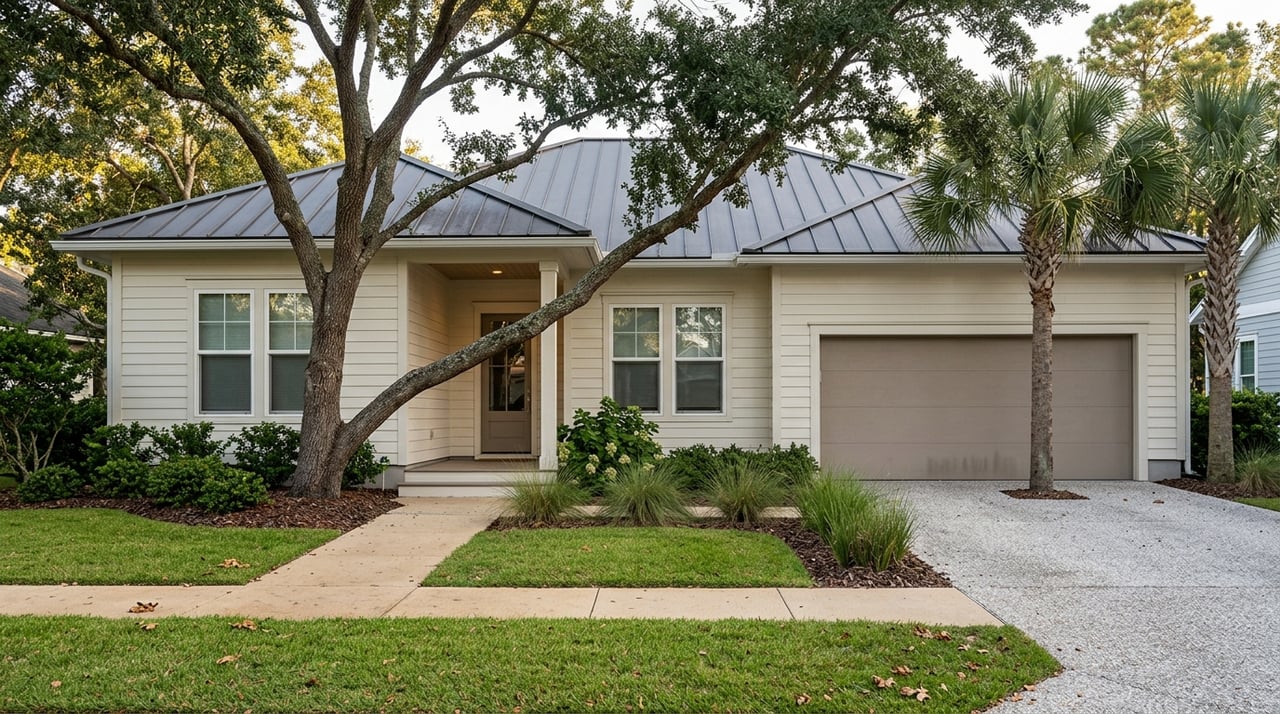
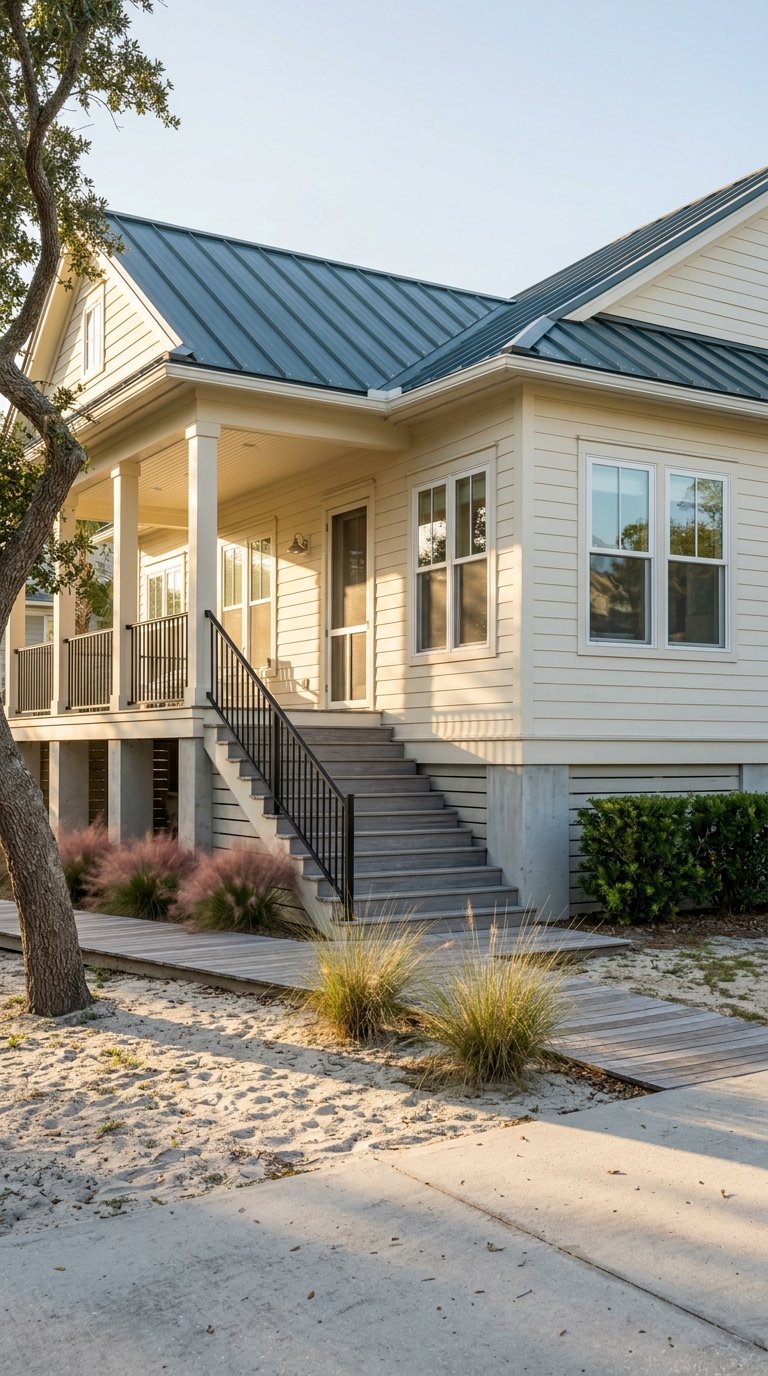
Your exterior sets the tone before buyers ever walk inside. NAR notes that curb appeal improvements can include landscaping, front-entry updates, or paint. In Shallotte, where many buyers may be comparing homes across nearby coastal communities, a neat and welcoming exterior can help your property stand out quickly.
Trim shrubs, edge beds, clear walkways, and remove anything weathered or broken near the front door. If your mailbox, porch lights, or house numbers look tired, simple updates can create a cleaner first impression. Fresh mulch, pressure washing, and a newly painted front door can also go a long way.
If you are deciding where to spend your time and money, prioritize the rooms that carry the most weight. NAR's 2025 staging survey found that buyers' agents saw the living room, primary bedroom, and kitchen as top priorities. Those spaces often shape how buyers feel about the home overall.
Your living room should feel comfortable, bright, and easy to imagine using. Pull furniture away from crowded layouts and create clear walking paths. A few well-placed pieces usually work better than a room packed with seating.
Keep décor simple and neutral. You are not trying to erase personality, but you do want buyers to focus on the room's size, light, and flow. Open blinds, clean windows, and use lamps if needed to brighten darker corners.
The primary bedroom should feel restful and spacious. Remove extra furniture, organize bedside tables, and simplify bedding and décor. A calm bedroom gives buyers a sense of retreat, which is especially important in a coastal market where lifestyle often matters.
If closets connect to the primary bedroom, keep those spaces neat too. Buyers often look at the bedroom and storage together. Matching hangers, folded linens, and open shelf space can make a big difference.
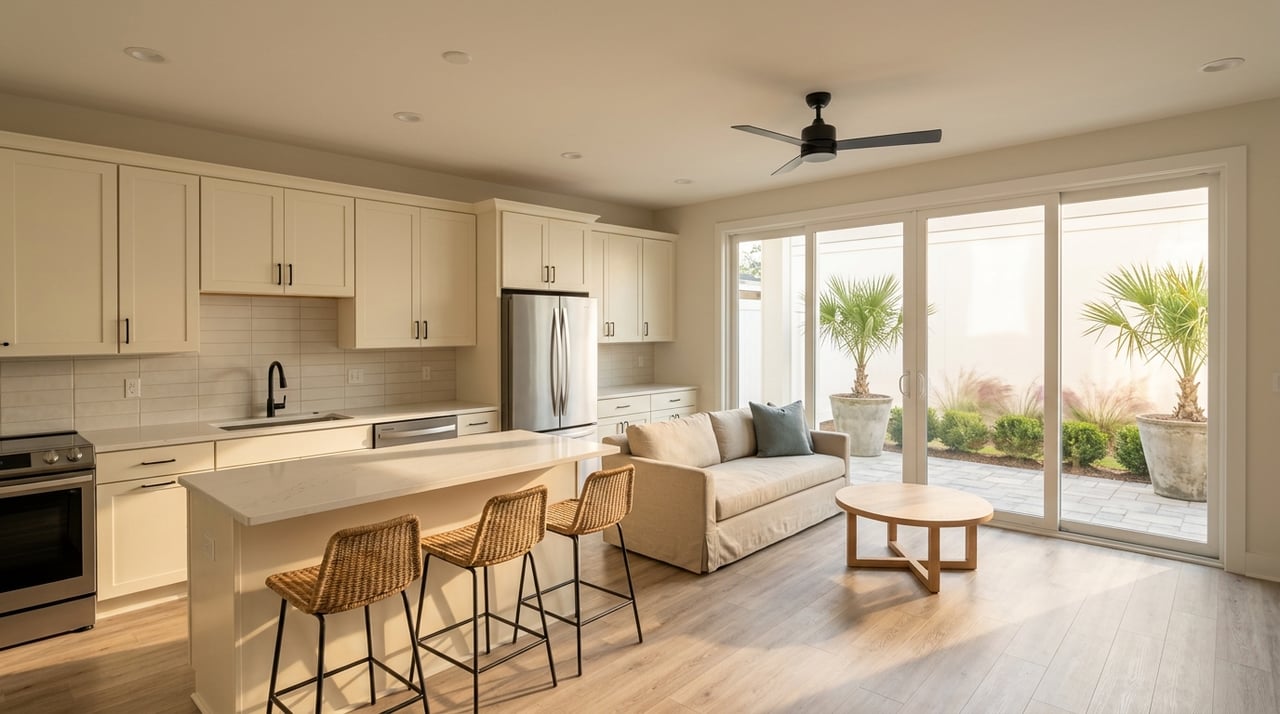
A full kitchen renovation is not usually necessary before listing. Instead, focus on cleanliness, function, and visual simplicity. Clear counters, wipe cabinets, clean grout, polish appliances, and replace burned-out bulbs.
If a few low-cost fixes will improve the space, consider them. Tighten loose hardware, touch up chipped paint, and fix dripping faucets. Small repairs can help buyers feel that the home has been well maintained.
In coastal North Carolina, moisture control deserves special attention. The EPA says the key to mold control is moisture control, including drying wet areas within 24 to 48 hours, keeping indoor humidity below 60% when possible, and fixing leaks. For sellers, that means signs of moisture should never be ignored before listing.
Check around windows, under sinks, near tubs and showers, and in any area where you have seen staining or dampness. If gutters are clogged or water pools near the foundation, address that before showings begin. The EPA also recommends cleaning gutters and making sure the ground slopes away from the foundation.
Even if a problem seems minor, buyers may notice musty smells or visible staining right away. Taking care of leaks, drainage, and ventilation before listing can help your home show better and reduce the chance of concerns during the transaction.
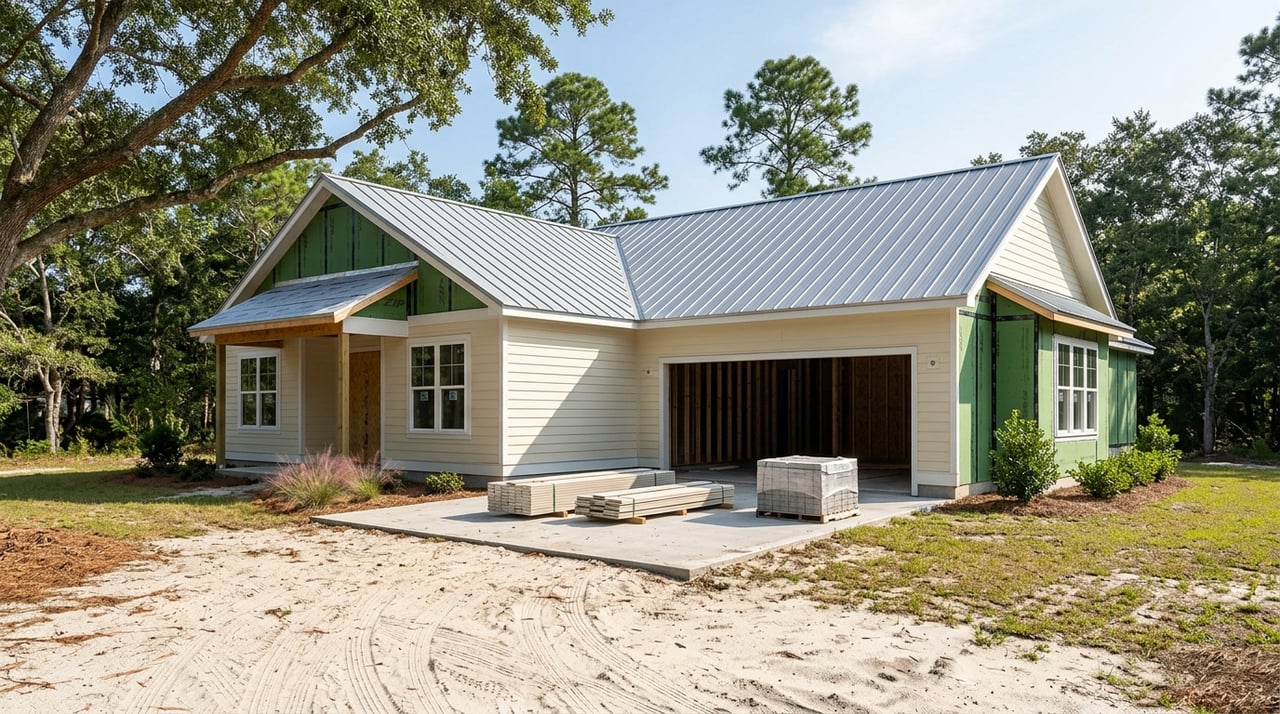
It is tempting to tackle every unfinished project before your home goes live, but more work is not always better. In Brunswick County, building permits are required for construction, enlargement, alteration, repair, demolition, relocation, or occupancy changes. Separate permits may also be needed for electrical, plumbing, HVAC, and flood-development work.
The County also states that all activity including building, alterations, degrading, or adding fill soil requires a Flood Development Permit. That matters in a coastal area where drainage, elevation, and site changes can affect compliance. If you are considering more than cosmetic cleanup, it is smart to pause and confirm whether permits apply before doing the work.
Cosmetic prep usually includes painting, cleaning, decluttering, and minor appearance-based touch-ups. Those updates can improve how the home looks without changing systems or structures. They are often enough to help a property feel listing-ready.
Larger repairs or improvements may raise different questions. If the project touches plumbing, electrical, HVAC, structural elements, grading, or floodplain-related work, check Brunswick County requirements first. A rushed project without the right approvals can create avoidable problems later.
One of the best ways to prepare with confidence is to build your file before your home is listed. North Carolina's Residential Property Disclosure Act applies to most one- to four-unit residential transfers. The required disclosure covers topics that can include water and sewage systems, structural components, plumbing, electrical, heating, cooling, wood-destroying insects, zoning and covenants, encroachments, and environmental issues.
The law also says these disclosure statements must be delivered no later than the time the buyer makes an offer. If buyers do not receive them before or at that time, they may have cancellation rights. That is why waiting until the last minute can create stress for everyone.
A strong pre-list file may include:
Brunswick County's Register of Deeds records deeds, easements, mortgages, maps, and restrictions and covenants, and many records are searchable online. If your property has a private well or septic system, Brunswick County Environmental Health issues those permits, and septic sites and drainfields are sized by bedroom count. Those details can be useful to confirm before your home goes on the market.
If your home is part of an HOA or subject to mandatory covenants, gather those records early. North Carolina's separate association disclosure statement asks for items such as association contact information, dues, services covered by dues, approved assessments, lawsuits, and transfer fees. Having those details ready can help avoid delays once interest picks up.
If your home was built before 1978, lead-based paint rules may apply. The EPA says renovation, repair, and painting projects can create dangerous lead dust in older homes. Sellers of most pre-1978 housing must also disclose known lead-based paint information before sale, provide the required pamphlet, and allow a 10-day lead inspection or risk-assessment period.
This does not mean you should panic if your home is older. It simply means you should be organized and follow the required process. If your home falls into this category, make sure those records and disclosures are part of your pre-list plan.
Once your home is ready, showing prep becomes the next step. NAR's safety guidance recommends securing or temporarily removing pets during showings and locking away or removing valuables. It also recommends keeping items like mail, bills, credit cards, and family notes out of sight.
This is about both presentation and privacy. Clear counters and tidy surfaces help the home show better, while putting away personal paperwork helps protect your information. NAR also advises that owners should not show their home by themselves.
Before each showing, try to:
These small habits can make your home easier to tour and more inviting to buyers.
In Shallotte, smart pre-list preparation is usually about three things: presentation, disclosure, and permit or floodplain review. When you clean, declutter, and focus on the rooms buyers notice most, your home is more likely to make a strong first impression. When you organize disclosures and property records early, you reduce stress and help the sale move more smoothly.
Most of all, confidence comes from having a plan that fits your home, your timeline, and your local market. If you want calm, experienced guidance as you prepare to sell in Shallotte or anywhere in Brunswick County, Deborah Morgan is here to help you move forward with clarity and confidence.
Stay up to date on the latest real estate trends.
Helping Buyers and Sellers Navigate the Sunset Beach Market with Confidence.

Debbie Morgan
502 N Sunset Blvd Sunset Beach NC 28468